Rug Cleaning in the Modern Home: A Practical, Stylish, and Healthy Approach
Rug cleaning is one of the most overlooked parts of home care, yet it has a major impact on how your living space looks, feels, and smells. Whether you have a delicate Persian piece, a durable wool rug, or a synthetic area rug in a busy hallway, regular rug cleaning helps preserve beauty, improve indoor air quality, and extend the life of your flooring investment. In many homes, rugs act like magnets for dust, pet dander, pollen, food crumbs, and everyday soil, which means they need consistent attention to stay fresh and attractive.
Many people search for rug cleaning in local areas because they want a solution that is both effective and convenient. The good news is that modern rug cleaning methods can be tailored to different fibers, dyes, and construction styles. From gentle hand washing to advanced extraction techniques, the right process can remove deep-set dirt without harming the rug’s texture or color. Understanding how rug cleaning works makes it easier to choose the best approach for your home and your schedule.
A clean rug does more than improve appearance. It supports a healthier indoor environment by reducing trapped particles that circulate in the air. It also helps prevent premature wear, matting, and odor buildup. If you have ever wondered why one room feels fresher than another, the answer is often hidden in the fibers underfoot. That is why rug cleaning in homes and commercial spaces has become an essential part of property maintenance rather than a luxury service.
Why Rug Cleaning Matters More Than You Think
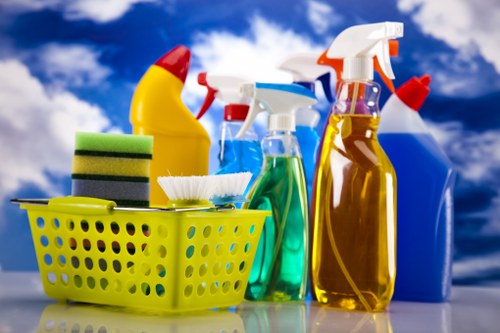
Rugs are high-contact surfaces. People walk on them, pets lie on them, children play on them, and furniture compresses their fibers every day. Over time, grit and debris settle deep inside the pile, and routine vacuuming only removes part of the buildup. Professional rug cleaning reaches the layers that ordinary cleaning cannot, helping restore softness and visual appeal.
Another important reason to prioritize rug cleaning is hygiene. Rugs can collect allergens, bacteria, and moisture, especially in active households. When spills are ignored or humidity remains high, a rug can develop unpleasant odors or even mold in the backing. Regular rug cleaning reduces these risks and keeps your space healthier.
There is also a financial benefit. A well-maintained rug lasts longer and retains more of its value. Fine handmade rugs, in particular, can be expensive to replace. Investing in periodic rug cleaning in a professional setting protects those fibers and preserves the artistry of the piece.
Understanding Different Rug Types Before Cleaning
Not every rug should be treated the same way. Fiber type, dye stability, construction, and age all influence the safest cleaning method. A wool rug, for example, responds differently to moisture and heat than a synthetic rug made from polypropylene or nylon. Before starting any rug cleaning project, it is important to identify what the rug is made of and whether it has special care requirements.
Natural fiber rugs such as wool, cotton, jute, sisal, and silk often need more careful handling. Wool is resilient but can felt or shrink if exposed to harsh treatment. Silk is delicate and requires controlled cleaning. Jute and sisal may be damaged by too much water. Synthetic rugs are usually more forgiving, but they can still trap oily soils and odors if not cleaned properly.
Hand-knotted, hand-tufted, braided, and machine-made rugs also vary in how they should be cleaned. A handmade rug may have vegetable dyes that need color testing before washing. Machine-made rugs may be easier to clean but still require proper drying to prevent backing damage. A successful rug cleaning process always begins with inspection.
Common Rug Materials and Their Cleaning Needs
Wool: Durable, naturally soil-resistant, but sensitive to over-wetting and harsh chemicals.
Cotton: Lightweight and washable, but prone to shrinking if not handled correctly.
Silk: Luxurious and delicate; needs expert rug cleaning with gentle methods.
Synthetic fibers: Often stain-resistant and easier to clean, though they still trap dirt.
Jute and sisal: Beautiful natural textures, but moisture can cause swelling or staining.
Knowing the fiber type helps determine how aggressive the cleaning process can be. This is one of the reasons why rug cleaning in professional environments is often recommended for valuable or fragile pieces.
For homeowners, this knowledge also helps prevent accidental damage. Using the wrong product or too much water can create permanent issues. A careful approach saves time, money, and frustration.
How Professional Rug Cleaning Works
Professional rug cleaning usually starts with a thorough inspection. Technicians look for fiber type, wear patterns, stains, pet accidents, odors, and dye bleeding risks. They may also test small areas to ensure the rug can tolerate the chosen cleaning solution. This step is essential for producing safe, consistent results.
Next comes dust removal. Rugs often hold dry soil that is deeply embedded in the pile, and if that debris remains during washing, it can turn into mud and abrade the fibers. Specialized equipment or controlled beating methods help loosen and remove that dry contamination before the wet cleaning phase begins.
After that, the rug is washed using a method suited to its material. Depending on the rug, this might include immersion washing, low-moisture cleaning, hand agitation, or hot water extraction. The goal is to lift soil without overwetting the backing or weakening the structure. Once the cleaning is complete, the rug is rinsed and dried in a controlled environment to prevent mildew and distortion.
Popular Rug Cleaning Methods
- Dry soil removal: Essential first step to eliminate grit and dust.
- Hand washing: Gentle and ideal for delicate or antique rugs.
- Immersion washing: Effective for heavily soiled rugs when appropriate for the fiber.
- Low-moisture cleaning: Helpful for rugs that should not be saturated.
- Spot and stain treatment: Targets problem areas before or after washing.
- Controlled drying: Prevents odor, shrinkage, and dye migration.
Each method has advantages, and the best choice depends on the rug’s condition and construction. For homeowners searching for rug cleaning in their local area, it is wise to choose a provider that explains these options clearly.
A reputable service should never use a one-size-fits-all process. The right method protects your rug while still producing a deep, satisfying clean.
DIY Rug Cleaning vs. Professional Service
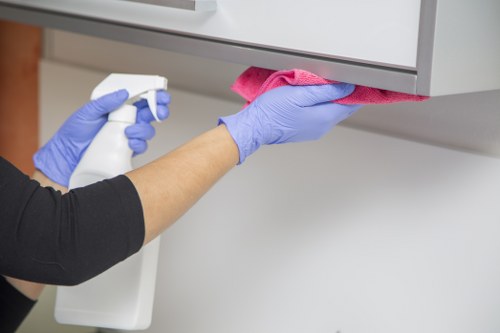
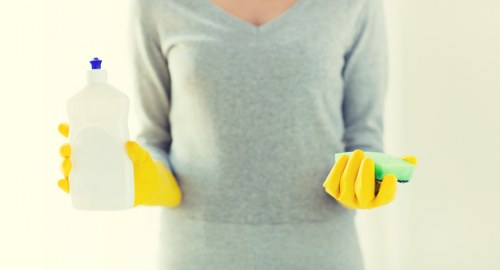
DIY rug cleaning can be helpful for light maintenance, especially when dealing with small spills or surface dust. Vacuuming regularly, blotting spills quickly, and rotating the rug can make a noticeable difference. However, home cleaning methods have limitations, and they are not always enough for deep soil or difficult odors.
Homeowners often make common mistakes such as using too much detergent, scrubbing stains aggressively, or failing to rinse properly. These actions can leave residue behind, attract more dirt, and shorten the rug’s lifespan. In some cases, they can also damage the backing or cause color bleeding. That is why professional rug cleaning is often the better choice for valuable or heavily used rugs.
Professional cleaning is especially useful when a rug has pet urine, wine stains, smoke odors, or years of embedded grime. Trained technicians understand how to neutralize odors, remove contaminants, and dry rugs safely. If you are comparing local options for rug cleaning in your area, look for a company with experience in handling your rug type.
When DIY Makes Sense
DIY care can be useful in these situations:
- Light dust and loose debris on a regular basis
- Fresh spills that can be blotted immediately
- Routine vacuuming between professional cleanings
- Small, washable synthetic rugs with care labels that permit home cleaning
Even then, it is important to use mild products and test them first. A little caution goes a long way in preserving your rug’s appearance.
For deeper restoration or specialty fibers, professional rug cleaning remains the safer and more effective solution.
How Often Should You Clean a Rug?
The answer depends on traffic, fiber type, and household conditions. In a busy home with children or pets, rug cleaning may be needed more frequently than in a low-traffic formal space. As a general rule, vacuuming should happen weekly, and professional cleaning should be scheduled every 12 to 18 months for many rugs. High-use rugs may benefit from more frequent service.
If you live in a dusty climate, near a beach, or in a place where pollen levels are high, your rug may collect soil more quickly. Seasonal rug cleaning can be especially valuable in these settings. Likewise, homes with allergies can see noticeable relief when rugs are cleaned regularly.
Watch for signs that your rug needs attention: dull color, lingering odors, visible traffic lanes, or a rough feel underfoot. These signals indicate that dirt has built up beyond the surface. Timely rug cleaning in a professional setting can restore the rug before permanent wear develops.
Stain Removal and Spot Treatment Tips
Spills happen, but quick action can prevent a temporary accident from becoming a permanent stain. The key is to blot, not rub. Rubbing spreads the spill and pushes it deeper into the fibers. Use a clean cloth or paper towel to absorb as much liquid as possible, then apply the appropriate treatment carefully.
Different stains require different solutions. Water-based spills such as juice or coffee may respond to mild cleaning agents, while oil-based stains often need specialized products. Pet accidents need enzyme treatment to break down odor-causing compounds. As a rule, always check whether the product is safe for your rug’s fiber and dye type before applying it broadly.
A good rug cleaning routine includes stain prevention as well as stain response. Using entry mats, removing shoes indoors, and addressing spills immediately all help reduce damage. Even the best rug cleaning service works better when the rug is not repeatedly exposed to neglect.
Helpful stain-response steps
- Blot immediately with a clean, dry cloth.
- Work from the outside of the stain toward the center.
- Use minimal moisture to avoid spreading the spill.
- Test any cleaner on a hidden area first.
- Allow the rug to dry completely after treatment.
Odor Removal and Indoor Air Quality
Odors trapped in rugs often come from spills, moisture, pets, smoke, or general soil buildup. When a rug smells musty or stale, the issue is often deeper than surface dirt. Thorough rug cleaning can help remove the source of the odor rather than masking it with fragrance.
Indoor air quality is another major benefit of proper rug care. Rugs can trap airborne particles that would otherwise continue circulating in your home. While that trapping effect can be helpful, it only works well when the rug is cleaned regularly. Otherwise, the fibers become overloaded and release particles each time the rug is disturbed.
For households with allergies or asthma, this matters even more. Routine rug cleaning in targeted intervals may reduce irritants and make rooms feel fresher. Clean rugs contribute to a more comfortable environment, especially in living rooms, bedrooms, and family spaces.
Signs your rug may need odor-focused cleaning
- Persistent pet smell after vacuuming
- Musty odor in humid weather
- Smoke smell embedded in fibers
- Lingering sour scent after a spill
Rug Maintenance Between Cleanings
Good maintenance extends the time between professional services and helps preserve the appearance of your rug. Vacuuming is the most important routine task, but it should be done carefully. Use a vacuum setting appropriate for the rug’s pile height, and avoid aggressive beater bars on delicate pieces. Regular rotation also helps distribute wear more evenly.
Another smart habit is using rug pads. A good pad prevents slipping, reduces friction, and improves airflow under the rug. This can help minimize wear and moisture buildup. In addition, keeping shoes off in key areas reduces the amount of grit that gets ground into the fibers.
For anyone looking into rug cleaning in a local market, maintenance advice is often just as valuable as the service itself. Cleaners who educate clients about proper care usually deliver better long-term results because the rug stays in better condition between appointments.
Best Maintenance Practices
- Vacuum regularly, adjusting for fiber type.
- Rotate the rug every few months.
- Use rug pads to reduce wear.
- Address spills immediately.
- Keep humidity under control in damp rooms.
- Schedule professional rug cleaning at appropriate intervals.
These small habits can make a major difference. They protect color, texture, and structure while keeping your home looking polished and inviting.
When combined with periodic professional rug cleaning, maintenance creates the best possible outcome for both everyday rugs and treasured pieces.
Choosing the Right Rug Cleaning Service
Not all cleaning providers offer the same level of expertise. The best choice is a service that understands fiber identification, stain treatment, drying control, and color safety. If you are comparing options for rug cleaning, ask whether they inspect the rug before washing and whether their process changes based on material and construction.
You should also consider experience, equipment, and cleaning philosophy. A quality provider will discuss how they handle delicate rugs, pet stains, and odor issues. They should be able to explain why a certain rug needs a specific treatment rather than offering a generic promise.
Look for a company that values preservation as much as cleanliness. The point of rug cleaning is not simply to make the rug look brighter for a day. It is to protect the piece so it remains beautiful and functional for years to come. If you are searching for rug cleaning in your area, choose a provider that treats every rug with care.
Questions to ask before booking
- How do you identify the rug’s fiber and dye type?
- What cleaning method will you use?
- How do you handle stains and odors?
- How long does drying take?
- Do you provide care recommendations after service?
The Value of a Fresh, Well-Cared-For Rug
A freshly cleaned rug can change the feel of a room almost instantly. Colors appear brighter, patterns stand out more clearly, and the texture feels softer underfoot. This is one reason rug cleaning is so rewarding: the improvement is visible, tactile, and often immediate. The entire room can seem more refined and welcoming.
Beyond appearance, a well-maintained rug supports a more comfortable lifestyle. It helps reduce allergens, controls odors, and preserves the quality of your interior décor. Whether your rug is a statement piece or a practical everyday floor covering, regular rug cleaning in the right setting helps it continue doing its job beautifully.
If you have been putting off rug maintenance, now is a great time to act. Your home deserves a cleaner, healthier foundation, and your rug deserves proper care. Book your service now and give your rug the attention it needs. Contact us today to take the next step toward a fresher, more inviting space.
Frequently Overlooked Rug Cleaning Benefits
Many people think of rug cleaning only in terms of appearance, but the benefits go much further. Clean rugs can improve the overall flow of a room, especially in open-plan homes where flooring ties everything together. They can also help protect the underlying floor surface from trapped grit and friction.
Another overlooked benefit is mood. A clean, fresh rug contributes to a calmer, more organized environment. When a room smells pleasant and looks well maintained, it naturally feels more comfortable. This is especially useful in busy households where the rug is one of the most visible and frequently used surfaces.
For anyone researching rug cleaning options, it helps to think of the service as part of routine home wellness. It is not just about dirt removal. It is about maintaining a space that feels good to live in every day.
Long-Term Care for Special Rugs
Antique, handmade, and heirloom rugs deserve additional attention. These pieces may have age-related fragility, natural dyes, or structural wear that makes them more sensitive to cleaning. In these cases, specialized rug cleaning is especially important because improper methods can permanently alter the rug.
Owners of special rugs should keep detailed notes about fiber, origin, and past treatments if available. That information helps cleaners choose the safest approach. It also helps detect changes over time, so issues can be addressed before they become severe. For valuable textiles, preservation should always be part of the cleaning plan.
Even if the rug is not antique, it can still carry sentimental value. A rug from a family home or a trip abroad may be irreplaceable to you. Thoughtful rug cleaning in a professional setting helps protect both the physical item and the memories attached to it.