Regular Cleaning: The Smart Way to Maintain a Fresh, Healthy, and Welcoming Space
Regular cleaning is one of the simplest and most effective ways to keep any environment comfortable, safe, and visually appealing. Whether you are caring for a home, office, apartment building, retail space, or rental property, regular cleaning supports better hygiene, reduces stress, and helps surfaces, furnishings, and fixtures last longer. It is not just about appearance. It is about creating a healthier atmosphere and preventing small messes from turning into bigger, more costly problems.
In everyday life, people often notice cleanliness first. A tidy kitchen, fresh-smelling hallway, polished floor, or dust-free desk instantly changes how a space feels. That is why regular cleaning matters so much: it keeps the environment consistently presentable rather than forcing you into stressful deep-cleaning emergencies later. It also gives you a better sense of control over your surroundings, which can improve comfort and productivity.
Beyond aesthetics, there are practical benefits too. Routine cleaning helps reduce dust buildup, bacteria, allergens, stains, mold risk, and clutter. It can also protect carpets, upholstery, counters, appliances, and other surfaces from premature wear. For businesses, regular cleaning can contribute to a professional image and better employee morale. For homeowners, it can make daily routines easier and help everyone enjoy the space more fully.
Why Regular Cleaning Matters for Every Space
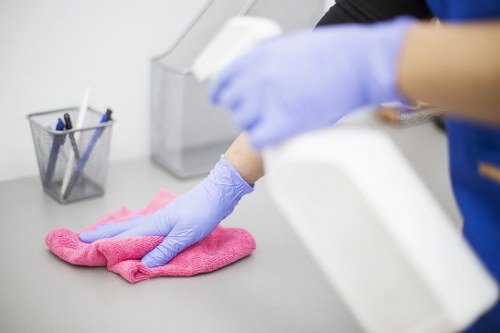
Regular cleaning creates a foundation for long-term maintenance. When a space is cleaned consistently, dirt does not have the chance to settle deeply into fabrics, grout, or flooring. This means fewer stubborn stains, less odor buildup, and less effort required during major cleaning sessions. In other words, regular cleaning helps you stay ahead of problems instead of reacting to them after they become noticeable.
Another major benefit is health protection. Dust, pet dander, pollen, and other airborne particles can accumulate quickly in indoor spaces. For people with allergies, asthma, or sensitivities, routine cleaning can make a real difference in daily comfort. Sanitizing high-touch areas such as door handles, switches, countertops, and desks also helps limit the spread of germs, especially in shared environments.
Clean spaces also influence how people think and behave. A cluttered or dirty environment can feel chaotic and distracting, while a well-maintained room encourages focus and relaxation. This is especially important in offices, reception areas, schools, clinics, and hospitality settings. A consistent schedule for regular cleaning supports not only physical cleanliness but also mental clarity and trust.
The Core Benefits of Regular Cleaning
There are many reasons people invest time and energy into regular cleaning. Some benefits are immediate, while others become more noticeable over time. A clean environment improves the overall experience of living or working in a space. It is easier to prepare meals, welcome guests, complete tasks, and relax when surfaces are neat and fresh.
One of the greatest advantages is efficiency. Small daily or weekly cleaning habits can reduce the need for exhausting deep cleans. For example, wiping down a bathroom sink each day prevents buildup around faucets and drains. Sweeping or vacuuming regularly keeps debris from being embedded into floors. With consistent care, regular cleaning makes the entire maintenance process more manageable.
There is also a financial benefit. Dirt and grime can damage flooring, appliances, and furniture over time. Mold and mildew can create expensive repair issues if they are ignored. Consistent upkeep helps preserve property value and extends the life of materials. For that reason, regular cleaning should be viewed as a form of protection as much as a form of tidiness.
Health, appearance, and peace of mind
When people talk about cleanliness, they often focus on appearance, but health matters just as much. A polished countertop is nice to look at, yet the hidden advantage is reducing germs and buildup. Likewise, vacuuming a carpet may improve how a room looks, but it also improves air quality and reduces irritants. That combination of visible and invisible benefits is why regular cleaning remains essential in nearly every setting.
What Regular Cleaning Should Include
Regular cleaning does not mean doing everything all at once. It means assigning the right tasks to the right schedule so a space remains consistently tidy and sanitary. In most environments, that includes dusting, vacuuming, mopping, wiping surfaces, sanitizing high-touch points, emptying trash, and addressing spills quickly. These tasks may seem basic, but they form the backbone of an effective cleaning routine.
For homes, regular cleaning often includes kitchens, bathrooms, bedrooms, living rooms, entryways, and utility areas. In offices, the focus may shift to desks, meeting rooms, shared kitchens, restrooms, lobbies, and common areas. In retail spaces, regular cleaning can involve floors, shelving, display surfaces, checkout counters, and customer-facing areas. The specific checklist changes, but the goal stays the same: keep the environment clean, safe, and inviting.
Attention to detail is important. Even if a room looks clean at first glance, small neglected areas can quickly affect the whole space. Light switches, baseboards, cabinet handles, vents, and under-furniture zones often collect dust and grime. A solid regular cleaning routine includes these overlooked spots so the result is more complete and longer lasting.
Common tasks in a regular cleaning routine
- Dusting shelves, furniture, and décor
- Vacuuming carpets and rugs
- Mopping hard floors
- Cleaning mirrors and glass surfaces
- Wiping countertops and tables
- Sanitizing high-touch points
- Taking out trash and replacing liners
- Refreshing bathrooms and kitchen areas
Creating a Regular Cleaning Schedule That Works

One of the smartest ways to maintain cleanliness is to build a schedule that fits the space and the people using it. A regular cleaning plan should be realistic, repeatable, and easy to follow. If a routine is too ambitious, it tends to fall apart. If it is too minimal, the space may still feel untidy. The best approach is a balanced one that addresses daily, weekly, and monthly priorities.
Daily tasks usually focus on high-use areas and visible messes. Weekly tasks can include more detailed work such as vacuuming under furniture, cleaning appliances, and wiping down walls or glass. Monthly tasks may cover deeper maintenance such as baseboards, vents, storage areas, and other less visible surfaces. This layered method keeps regular cleaning effective without becoming overwhelming.
Consistency matters more than intensity. A space cleaned a little every day is often much easier to manage than a space cleaned intensely once in a while. This is true in homes and even more true in businesses or shared buildings. When everyone understands the schedule, regular cleaning becomes part of the rhythm of the space rather than a burden.
Sample routine by frequency
- Daily: wipe counters, tidy clutter, empty trash, sanitize shared points
- Weekly: vacuum, mop, dust surfaces, clean bathroom fixtures
- Biweekly: clean appliances, wash bedding, organize storage spots
- Monthly: deep-clean baseboards, vents, and hard-to-reach corners
For households, it helps to assign tasks by room or day. For workplaces, dividing responsibilities across teams or shifts can keep the process smooth. The goal is not perfection; the goal is dependable regular cleaning that supports a clean environment day after day.
Regular Cleaning for Homes, Offices, and Commercial Spaces

Different environments need different cleaning priorities, but all benefit from the same basic principle: stay consistent. In homes, regular cleaning keeps family life more comfortable and reduces friction around chores. In offices, it supports productivity, professionalism, and employee well-being. In commercial settings, it helps create a positive first impression and improves the customer experience.
Homeowners often focus on kitchens, bathrooms, floors, and clutter-prone living areas. These spaces are used frequently and can get dirty fast. Offices usually need attention to desks, shared meeting rooms, reception areas, and breakrooms. Commercial spaces may require extra care around foot traffic zones, restrooms, fitting rooms, display areas, or waiting spaces. Each setting benefits from a regular cleaning approach tailored to how the space is used.
Property managers and business owners should think of cleanliness as part of the overall experience. Guests, tenants, and clients notice details such as flooring condition, odor, dust levels, and restroom upkeep. A consistent cleaning process supports safety and satisfaction while reinforcing the value of the property or brand.
Key differences by environment
- Homes: comfort, hygiene, family routines, and allergen control
- Offices: productivity, shared-space sanitation, and professionalism
- Commercial spaces: customer trust, presentation, and safety compliance
- Rental properties: turnover readiness, wear prevention, and long-term value
Tools and Products That Support Better Results
The right tools can make regular cleaning easier, faster, and more effective. Basic supplies such as microfiber cloths, mops, vacuums, scrub brushes, buckets, and all-purpose cleaners are useful in almost any setting. Depending on the space, you may also need disinfectants, glass cleaners, stain removers, degreasers, or eco-friendly products. Choosing the right tools can reduce effort and improve results.
Microfiber cloths are especially helpful because they trap dust rather than pushing it around. A quality vacuum can remove debris from carpets, upholstery, and corners more efficiently than sweeping alone. For hard floors, the correct mop and cleaner can prevent residue buildup and keep surfaces looking fresh. In kitchens and bathrooms, targeted products help handle grease, soap scum, and mineral deposits during regular cleaning.
Safety should also be part of the process. Always read product labels, avoid mixing chemicals, and use ventilation when needed. In sensitive settings, consider hypoallergenic or non-toxic options. The best cleaning system is one that is both effective and safe for the people using the space. Thoughtful product choices make regular cleaning easier to maintain over time.
Helpful supplies to keep on hand
- Microfiber dusters and cloths
- Vacuum cleaner with attachments
- Mop and floor-safe solution
- Non-abrasive scrub pads
- Disinfectant wipes or spray
- Trash bags and liners
- Glass and stainless-steel cleaner
Tip for better efficiency
Store supplies where they are most needed. When tools are easy to access, regular cleaning becomes quicker and more likely to happen. A well-placed caddy in a kitchen, bathroom, or utility closet can save time every day.
How Regular Cleaning Supports Long-Term Maintenance
One of the most overlooked advantages of regular cleaning is how much it contributes to long-term maintenance. Dirt and moisture are two of the biggest enemies of surfaces and materials. If they are left unattended, they can cause discoloration, corrosion, warping, and odor issues. Routine cleaning reduces that risk by removing contaminants before they can do serious damage.
For carpets and rugs, regular vacuuming prevents particles from becoming deeply embedded. For countertops and sinks, frequent wiping helps avoid stains and mineral buildup. For bathrooms, consistent attention limits soap scum, mildew, and grime. For kitchens, regular cleaning reduces grease accumulation, which can otherwise become difficult to remove. Over months and years, these small actions make a substantial difference.
There is also a preventive benefit for maintenance planning. If a space is cleaned routinely, it is easier to notice leaks, cracks, damaged grout, loose hardware, or unusual odors. That means issues can be addressed early, before they become expensive repairs. In this way, regular cleaning is part of smart property care, not just appearance management.
Common Mistakes to Avoid During Regular Cleaning
Even with good intentions, some cleaning habits can reduce effectiveness. One common mistake is using too much product. Overapplying cleaners can leave residue behind, attract more dirt, or make surfaces sticky. Another mistake is cleaning only the areas people see most often. Hidden buildup in corners, behind furniture, and around fixtures can undermine the results of otherwise good work.
Skipping the schedule is another issue. When routine cleaning becomes irregular, messes compound quickly. It is much easier to maintain a space than to recover it after neglect. Using the wrong tools can also create problems. Harsh scrubbers may scratch surfaces, while unsuitable cleaners can damage finishes or fabrics. A successful regular cleaning routine relies on the right technique as much as on the effort itself.
Finally, it helps to avoid rushing through the process. Quick cleaning can be effective for daily upkeep, but there should still be attention to detail. Wiping a surface without removing clutter first, for example, may mean dirt gets missed. Taking a few extra moments to clean carefully can dramatically improve the final result and make the space feel truly maintained.
Mistakes to watch out for
- Using too much cleaner or too much water
- Ignoring high-touch points and hidden corners
- Cleaning without a set routine
- Using abrasive tools on delicate surfaces
- Forgetting to let products work for the proper amount of time
Practical Tips to Make Regular Cleaning Easier
The best cleaning routine is one people can actually follow. Start by breaking large tasks into smaller steps. Instead of “clean the whole house,” focus on one room or one category at a time. This makes regular cleaning feel more manageable and reduces procrastination. It also creates a sense of progress, which can be motivating.
Another helpful strategy is to clean as you go. Wipe spills immediately, put items back where they belong, and handle small messes before they grow. This habit is especially useful in kitchens, bathrooms, workstations, and high-traffic areas. The less clutter and mess that accumulate, the easier it is to stay on top of regular cleaning day after day.
It also helps to involve everyone who uses the space. In a home, each family member can take responsibility for certain tasks. In a business, employees can support cleanliness by keeping shared areas tidy. When everyone contributes, regular cleaning becomes more sustainable and less dependent on one person alone.
Simple habits that save time
- Do a 10-minute reset at the end of each day
- Keep cleaning supplies within easy reach
- Use baskets or bins to control clutter
- Set recurring reminders for routine tasks
- Address spills and stains immediately
Book your service now if you want a cleaner, fresher environment with less stress and better long-term results. If you manage a home, office, or business property, professional support can make regular cleaning easier to maintain.
Why Consistency Beats Occasional Deep Cleaning
Deep cleaning has its place, but it should not be the only strategy. A space that is cleaned only occasionally often reaches a point where major effort is needed to restore it. By contrast, a space maintained through regular cleaning stays in better shape all the time. The difference is not just visible; it is felt in the ease of living or working there.
Consistency also protects morale. People tend to feel better in spaces that are cared for regularly. They are more likely to respect shared environments and less likely to contribute to clutter when they see a standard being maintained. That creates a positive cycle where cleanliness reinforces cooperation and cooperation reinforces cleanliness.
When you make regular cleaning part of your routine, you reduce the chance of overwhelming messes and time-consuming catch-up sessions. The result is a space that feels ready, organized, and pleasant most of the time. That is far more practical than relying on occasional cleanup efforts alone.
Final thoughts on maintaining a cleaner space
Clean spaces are not built in a single day. They are maintained through steady habits, practical systems, and attention to detail. Whether your focus is home comfort, workplace hygiene, or property care, regular cleaning offers benefits that go far beyond appearance. It improves health, protects investments, supports productivity, and makes daily life easier.
If you want to enjoy those benefits consistently, the best step is to make cleaning part of the routine rather than an afterthought. Start small, stay consistent, and adjust the schedule as needed. Over time, the difference will be clear. A dependable regular cleaning process creates spaces that feel fresher, safer, and more welcoming for everyone.
Contact us today to take the next step toward a cleaner, healthier environment, or Book your service now and make regular cleaning easier to manage going forward.