Communal Area Cleaning for Safer, Happier Shared Spaces
Communal area cleaning plays a major role in how residents, visitors, tenants, and staff experience a building every day. Whether it is a residential block, apartment complex, office building, student housing, or mixed-use property, shared spaces shape first impressions and influence comfort, hygiene, and safety. When communal areas are cleaned properly, they feel welcoming, reduce the spread of germs, and support the overall value of the property.
In modern properties, communal area cleaning is more than simply sweeping a hallway or emptying a bin. It includes a thoughtful routine for lobbies, corridors, lifts, stairwells, entrances, mailrooms, shared kitchens, washrooms, and other high-traffic zones. These areas are touched and used by many people each day, which means they need consistent attention and a professional approach.
For landlords, property managers, housing associations, facilities teams, and business owners, investing in regular communal area cleaning can reduce complaints, protect surfaces, and create a healthier environment. It also shows that the building is managed with care. In this article, we explore what communal area cleaning involves, why it matters, what tasks should be included, and how to create a reliable cleaning routine that works.
Why Communal Area Cleaning Matters
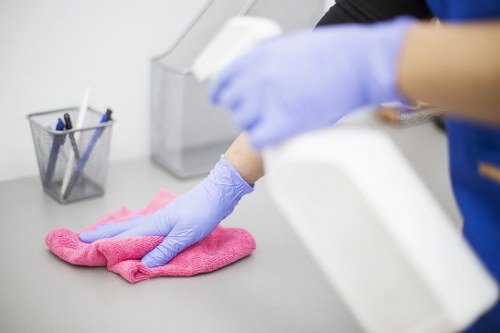
Shared areas experience significantly more foot traffic than private rooms or offices. As a result, dirt, dust, fingerprints, spills, litter, and bacteria build up quickly. Without routine communal area cleaning, these spaces can start to look neglected very fast. More importantly, poor hygiene can create unpleasant odours, safety hazards, and higher maintenance costs over time.
Clean communal areas contribute to better wellbeing. When hallways are tidy, entrances are bright, and stairs are free from debris, people tend to feel more comfortable and secure. This is especially important in residential buildings, where tenants want to feel proud of where they live. A clean shared environment can also reduce disputes between occupants and improve satisfaction across the property.
From a business perspective, communal area cleaning supports brand image and operational efficiency. Visitors, customers, and potential tenants often judge a property before they even enter a private space. A polished lobby, clean lift, and fresh-smelling corridor send a clear message: the building is maintained to a high standard.
What Is Included in Communal Area Cleaning?
Communal area cleaning covers all shared spaces within a property that are used by multiple people. The exact scope depends on the building type, but the most common tasks usually include dusting, vacuuming, sweeping, mopping, waste removal, sanitising touchpoints, and keeping high-use areas presentable.
Typical areas covered by communal cleaning services include:
- Entrances and foyers
- Hallways and corridors
- Staircases and landings
- Lifts and elevator buttons
- Shared kitchens and break rooms
- Communal bathrooms or washrooms
- Mailrooms and reception areas
- Bin stores and waste collection points
- Internal windows, skirting boards, and handrails
In some properties, communal area cleaning may also involve periodic deep cleaning, floor polishing, carpet shampooing, window cleaning, and sanitisation of frequently handled surfaces. This flexible approach ensures the building stays hygienic and visually appealing throughout the year.
High-Touch Points Need Special Attention
One of the most important parts of communal area cleaning is disinfecting high-touch areas. Door handles, railings, lift buttons, light switches, intercoms, and shared appliance handles can harbour germs if they are not cleaned frequently. These details may seem small, but they make a big difference to health and cleanliness.
The Benefits of Regular Communal Area Cleaning

Regular communal area cleaning delivers benefits that go far beyond appearance. It helps extend the life of surfaces, reduces health risks, and makes day-to-day living or working more pleasant. When cleaning is scheduled consistently, dirt does not get the chance to build up and become harder to remove.
Key benefits include:
- Improved hygiene: Regular cleaning reduces bacteria, dust, and allergens in shared spaces.
- Better safety: Clean floors, clear walkways, and dry surfaces lower the risk of slips and falls.
- Enhanced appearance: A neat building feels more inviting and professional.
- Lower maintenance costs: Preventive cleaning helps protect floors, walls, and fixtures.
- Higher tenant satisfaction: Residents and staff appreciate a well-maintained environment.
- Stronger property reputation: Clean communal areas reflect good management and care.
When people see that the shared environment is properly looked after, they are often more respectful of the space themselves. That creates a positive cycle in which communal area cleaning supports better behaviour, and better behaviour makes cleaning more effective.
Hygiene and Health in Shared Environments
Shared buildings can spread germs quickly, especially during cold and flu season or in busy commercial settings. Because people pass through the same doors, lifts, and corridors throughout the day, regular sanitation is essential. Communal area cleaning is not just about dust removal; it is a practical health measure that supports everyone using the building.
How Often Should Communal Area Cleaning Be Carried Out?
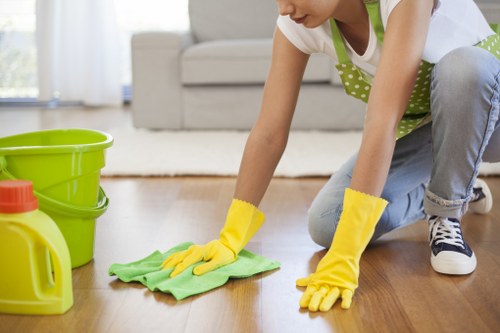
The frequency of communal area cleaning depends on the size of the building, the number of occupants, and how heavily the space is used. A small residential block may need cleaning a few times per week, while a busy office or apartment complex may require daily attention.
As a general rule, the more traffic a space receives, the more often it should be cleaned. For example, entrances, stairwells, and lift controls may need daily or even multiple daily touchpoint cleaning in high-occupancy buildings. Less frequently used areas can often be serviced weekly or on a scheduled rotation.
A typical communal cleaning schedule might include:
- Daily: Entrance cleaning, bin emptying, touchpoint sanitising, floor sweeping, and visual checks
- Several times per week: Vacuuming, mopping, stair cleaning, and lift polishing
- Weekly: Dusting skirting boards, cleaning glass, checking bin stores, and deep sanitising shared areas
- Monthly or quarterly: Deep cleaning, carpet care, high-level dusting, and specialist floor treatment
Building managers should review the schedule regularly and make adjustments based on seasonal changes, occupancy levels, and resident or tenant feedback. A flexible plan is usually the most effective for communal area cleaning because it adapts to actual usage rather than relying on a rigid checklist alone.
Seasonal Adjustments Matter
During winter, communal area cleaning may need to focus more on wet floors, salt residue, and mud tracked in from outside. In warmer months, dust, insects, and odours may become a greater concern. Good cleaning schedules take these variations into account.
Best Practices for Effective Communal Area Cleaning

Successful communal area cleaning depends on consistency, attention to detail, and the right materials. A surface may look clean at a glance, but shared spaces require more than a quick tidy-up. Effective cleaning should target both visible dirt and hidden hygiene risks.
To improve results, follow these best practices:
- Use colour-coded cleaning equipment to avoid cross-contamination
- Clean from top to bottom so dust falls onto areas that will be cleaned later
- Pay extra attention to high-touch surfaces
- Use appropriate products for each floor type and surface finish
- Remove waste before it overflows or creates odours
- Check corners, edges, and hard-to-reach spots
- Record completed tasks for quality control and accountability
Professional communal area cleaning teams often work from a structured checklist. This helps ensure no areas are missed and that standards remain consistent from one visit to the next. Checklists are especially useful in large properties with many shared zones.
Use the Right Products and Equipment
Different surfaces require different cleaning methods. For example, laminate flooring, polished stone, vinyl, carpet, and stainless steel all need tailored care. Using the wrong chemicals or tools can damage finishes or leave residue behind. Proper equipment selection is therefore a key part of communal area cleaning.
Common tools include microfiber cloths, vacuum cleaners, mops, scrubbers, disinfectant sprays, litter pickers, floor machines, and odour-control products. In larger buildings, professional equipment can significantly improve results and speed up the process.
Communal Area Cleaning for Residential Buildings
Residential properties have unique cleaning requirements because residents expect their home environment to feel safe, quiet, and well cared for. In apartment blocks, shared hallways, stairwells, and entrance lobbies are often the first spaces people see when they return home. If these areas are dirty, the whole building can feel less comfortable.
Residential communal area cleaning usually focuses on presentation as well as hygiene. That means removing footprints, vacuuming carpets, wiping handrails, polishing glass doors, and making sure bins are managed properly. It can also include checking for hazards such as spills, broken glass, loose litter, or damaged fixtures.
Residents often notice small details, so consistency matters. A clean lift mirror, a freshly mopped entrance, and a dust-free windowsill can make a major difference to how a property is perceived. Building managers who invest in residential communal cleaning often find that occupants are more satisfied and more likely to take care of the space themselves.
Common Residential Challenges
- Footprints and mud from outdoor shoes
- Overflowing bins or recycling areas
- Pet hair and allergens
- Food spills in shared kitchens
- Wear and tear in high-traffic corridors
Addressing these issues promptly keeps the environment pleasant and prevents minor mess from becoming a larger problem.
Communal Area Cleaning for Offices and Commercial Buildings
In workplaces, communal area cleaning supports productivity, professionalism, and employee wellbeing. Shared kitchens, meeting areas, reception zones, toilets, and hallways can quickly become untidy when used throughout the day by many people. A clean workplace helps staff stay focused and creates a more polished impression for clients and visitors.
Commercial communal area cleaning often needs to be scheduled outside peak hours to minimise disruption. Early morning, evening, or weekend cleaning can work well in offices and mixed-use buildings. The goal is to keep shared spaces hygienic without interrupting business operations.
In these settings, special attention should be given to:
- Reception desks and waiting areas
- Shared kitchen surfaces and appliances
- Toilet facilities and wash stations
- Lift controls and handrails
- Glass doors, partitions, and tables
When communal area cleaning is handled properly, the workplace feels more organised and professional. That can have a positive effect on morale as well as visitor impressions.
Health and Safety in the Workplace
Clean shared environments help reduce the spread of illness among employees. This can support attendance and reduce the number of disruptions caused by avoidable contamination in common spaces.
Choosing a Professional Communal Area Cleaning Service
Many property managers and building owners choose to work with a professional cleaning provider because it offers reliability, expertise, and accountability. A skilled team can handle routine maintenance, spot cleaning, and periodic deep cleaning while maintaining a high standard across the property.
When selecting a communal area cleaning service, it is helpful to consider:
- Experience with similar property types
- Trained staff and supervision processes
- Flexible cleaning schedules
- Use of safe and effective cleaning products
- Clear task lists and quality checks
- Ability to handle both routine and specialist cleaning
A professional provider should understand the specific demands of communal cleaning and be able to adjust services to suit the building. This includes knowing how to clean different floor materials, how to disinfect high-contact areas correctly, and how to respond to urgent spills or hygiene issues.
What to Expect from a Reliable Service
Reliable communal area cleaning is consistent, visible, and thorough. It should not be based on guesswork. A good provider will set expectations clearly, communicate effectively, and respond to issues promptly. This level of service helps maintain trust and protects the long-term condition of the property.
Eco-Friendly Communal Area Cleaning
Many buildings are now looking for greener ways to maintain shared spaces. Eco-friendly communal area cleaning uses products and methods that reduce environmental impact while still delivering strong cleaning results. This can include biodegradable cleaning solutions, reusable cloths, water-efficient equipment, and responsible waste disposal.
Sustainable cleaning practices can be beneficial in both residential and commercial properties. They help reduce chemical exposure, support indoor air quality, and align with modern environmental expectations. For many occupants, sustainability is now an important part of how they judge a building’s management.
Practical ways to make communal cleaning more eco-conscious include:
- Choosing low-toxicity cleaning products
- Using refill systems where possible
- Reducing water waste during mopping and washing
- Recycling packaging and waste appropriately
- Training staff to use products efficiently
Eco-friendly communal area cleaning does not mean compromising on quality. In fact, with the right approach, buildings can remain spotless while using fewer harsh chemicals and fewer disposable materials.
A Smarter Long-Term Choice
For many properties, environmentally responsible cleaning is not just a trend; it is a practical and forward-thinking investment in healthier spaces and better building management.
How to Maintain Standards Over Time
Even the best cleaning plans can lose effectiveness if they are not monitored. To keep communal area cleaning at a high standard, property managers should use regular inspections, feedback channels, and performance reviews. This ensures issues are identified quickly and addressed before they become more serious.
Quality control strategies include:
- Routine site inspections
- Cleaning logs or checklists
- Resident or tenant observation reports
- Photo-based before-and-after checks
- Periodic review of cleaning frequency and scope
It is also useful to communicate expectations clearly. If residents or staff understand what communal area cleaning includes and how often it is carried out, they are more likely to appreciate the work being done and cooperate with maintenance efforts. Small actions, such as placing waste in the correct bin or wiping up spills promptly, can support the whole system.
When Deep Cleaning Becomes Necessary
Regular cleaning handles most day-to-day dirt, but deep cleaning may be required for carpets, grout, upholstery, or neglected areas. Periodic deep cleans help refresh the building and restore a higher standard of hygiene, especially in busy or older properties.
Common Mistakes to Avoid in Communal Area Cleaning
While communal area cleaning seems straightforward, there are several mistakes that can reduce its effectiveness. One common issue is focusing only on visible dirt while ignoring touchpoints, corners, or hidden grime. Another is using a one-size-fits-all approach across different surfaces and building types.
Avoid these common errors:
- Cleaning too infrequently for the level of usage
- Using the wrong products on sensitive materials
- Neglecting high-touch surfaces
- Failing to document completed tasks
- Ignoring odours, drainage issues, or spill hazards
- Overlooking entrances and first-impression areas
Attention to detail matters. The most effective communal area cleaning is visible without being intrusive and thorough without disrupting the building’s normal operation. That balance comes from planning, training, and accountability.
Consistency Is Better Than Occasional Intensity
It is always better to clean shared spaces regularly than to rely on rare, intensive efforts. Consistency keeps the building looking better and prevents problems from escalating.
The Role of Communal Area Cleaning in Property Value
Well-maintained shared spaces can positively influence property value and rental appeal. Buyers, tenants, and investors all notice how a building is cared for, and communal areas often act as a visible indicator of overall management quality. A clean entrance or corridor can create confidence, while neglected shared areas can raise concerns about hidden maintenance issues.
Communal area cleaning contributes to long-term value by protecting finishes, reducing repairs, and making the property more attractive to current and future occupants. It also supports the idea that the building is stable, organised, and worthy of trust.
This is particularly relevant in competitive housing and commercial markets. A property that feels fresh, tidy, and well-run is more likely to stand out. In that sense, communal area cleaning is not merely an expense; it is part of protecting an asset.
Better Spaces Lead to Better Experiences
Shared environments influence how people feel about the entire property. When those spaces are clean, safe, and pleasant, daily life becomes smoother for everyone involved.
Final Thoughts on Communal Area Cleaning
Communal area cleaning is essential for maintaining hygiene, safety, comfort, and appearance in shared buildings. It supports residents, employees, visitors, and property managers alike by creating a cleaner and more welcoming environment. From entrances and stairwells to lifts and kitchens, every shared area benefits from regular, structured care.
Whether you manage a residential block, a commercial site, or a mixed-use property, investing in consistent communal area cleaning can improve satisfaction, reduce maintenance issues, and protect your property for the long term. The best results come from planning, attention to detail, and a cleaning schedule that matches real-world usage.
If your building needs a better standard of care, contact us today to discuss a tailored cleaning plan that suits your space. Book your service now and keep your communal areas looking their best all year round.