Office Cleaning for a Healthier, More Productive Workplace
Office cleaning is more than a routine chore; it is a core part of creating a professional environment where employees can focus, visitors feel welcome, and business operations run smoothly. Whether you manage a small startup, a busy corporate office, or a shared workspace, keeping the premises spotless supports productivity, hygiene, and brand reputation.
A clean office also helps reduce dust, allergens, germs, and clutter that can quietly affect morale and performance. From desks and floors to restrooms and communal areas, office cleaning touches every part of the workplace experience. Businesses that invest in consistent cleaning often notice fewer sick days, better first impressions, and a more organized atmosphere.
In today’s workplace, clients and staff notice details. Smudged glass, overflowing bins, dusty surfaces, and neglected kitchens can all create the wrong impression. By prioritizing professional office cleaning, organizations can maintain a space that feels polished, safe, and efficient every single day.
Why Office Cleaning Matters
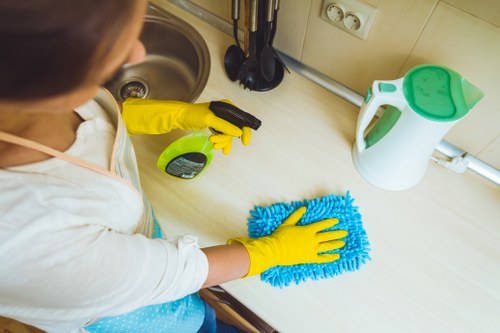
The value of office cleaning extends far beyond appearances. A well-maintained workplace supports health, operational efficiency, and employee well-being. Clean surroundings can reduce the spread of bacteria and viruses, especially in high-touch areas like door handles, shared keyboards, lift buttons, and break rooms.
There is also a strong psychological benefit. When people walk into a tidy environment, they often feel more focused and less stressed. Clutter and dirt can create distractions, while clean surfaces and organized spaces make it easier to concentrate on meaningful work. That is why reliable office cleaning services are an investment, not an expense.
For client-facing businesses, the condition of the office can influence how others perceive professionalism and credibility. A spotless reception area and fresh-smelling meeting room can support your brand image before a single word is spoken.
What Office Cleaning Typically Includes
Office cleaning usually covers a wide range of tasks tailored to the layout and needs of the workplace. While every building is different, most service plans include dusting, vacuuming, mopping, sanitizing surfaces, emptying bins, and cleaning shared facilities. Regular office cleaning keeps spaces presentable and reduces buildup over time.
Typical tasks may include:
- Cleaning desks, tables, and counters
- Vacuuming carpets and rugs
- Mopping hard floors
- Disinfecting door handles and light switches
- Cleaning toilets, sinks, and washrooms
- Refreshing kitchens and break areas
- Removing rubbish and recycling
- Polishing glass and reflective surfaces
Office cleaning can also be customized for special requirements, such as deep cleaning carpets, sanitizing upholstery, or maintaining high-traffic areas more frequently. A good cleaning plan adapts to your office’s size, usage patterns, and operating hours.
Benefits of Professional Office Cleaning
Healthier Work Environment
One of the most important benefits of office cleaning is improved hygiene. Bacteria, dust, and allergens can accumulate quickly in offices, especially in shared environments. Regular cleaning helps reduce these contaminants and supports a healthier workforce.
When restrooms, kitchens, and desks are cleaned properly, the risk of cross-contamination is reduced. That matters in modern workplaces where people share equipment, meeting rooms, and communal spaces throughout the day.
For businesses that want fewer interruptions caused by illness, consistent office cleaning services are a practical solution.
Improved Productivity
Employees tend to work better in clean spaces. A clutter-free desk and fresh environment make it easier to stay organized and focused. Office cleaning helps remove visual distractions and creates a sense of order that can improve workflow.
Clean spaces also reduce the time workers spend dealing with messes, searching for items, or worrying about the condition of shared facilities. This can translate into better time management and smoother daily operations.
Key Areas That Need Regular Attention
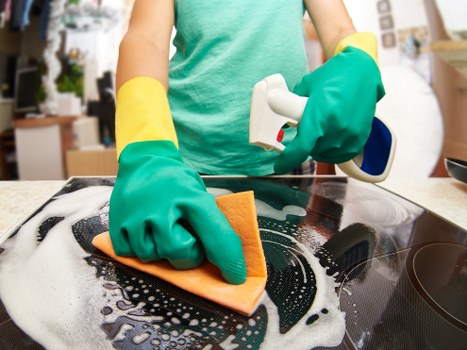
Not all office spaces require the same level of cleaning, but some areas always deserve special attention. These zones tend to see heavy use and can accumulate dirt or germs quickly. Effective office cleaning focuses on both visible surfaces and overlooked spots.
Reception Areas
The reception area is often the first point of contact for clients, vendors, and guests. Dust-free surfaces, clean floors, and tidy seating can make a strong first impression. Freshness here reflects the standard of the entire workplace.
Workstations
Desks, monitors, keyboards, and telephones should be cleaned carefully and consistently. Shared workstations benefit from sanitation routines that reduce buildup and keep equipment presentable.
Restrooms
Washrooms demand frequent attention due to hygiene concerns. Restocking supplies, disinfecting fixtures, and keeping floors dry are essential parts of dependable office cleaning.
Break Rooms and Kitchens
Food preparation and storage areas need thorough cleaning to avoid odors, spills, and bacteria. Countertops, sinks, tables, and appliances should be maintained with care.
How Office Cleaning Supports Workplace Wellness
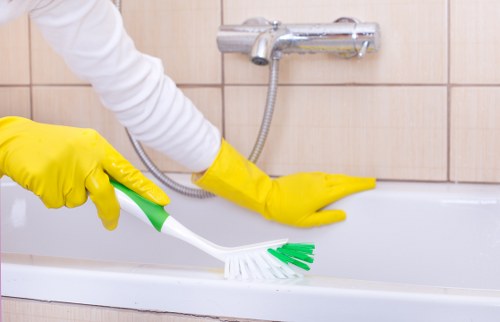
Workplace wellness is now a priority for many businesses, and office cleaning plays a major role in supporting it. Clean air, sanitized surfaces, and uncluttered spaces contribute to a more comfortable environment where people can do their best work.
Dust and allergens can aggravate respiratory issues, while neglected washrooms or kitchens can lower morale. By keeping the office consistently clean, employers show that they value the comfort and safety of their team. That creates a more positive workplace culture.
Office cleaning can also reduce stress. People naturally feel more at ease in organized surroundings. When offices are well maintained, staff members may feel more respected and motivated, which can influence retention and satisfaction over time.
Common Wellness-Focused Practices
- Regular disinfecting of high-touch points
- Improved waste management and recycling
- Cleaning schedules that support indoor air quality
- Attention to carpets, upholstery, and ventilation-prone dust zones
These steps help make office cleaning part of a broader wellness strategy rather than a standalone task.
Office Cleaning Frequency: What Works Best?

The right cleaning schedule depends on office size, staff numbers, visitor traffic, and the nature of the business. A small office with limited footfall may need basic daily maintenance and weekly deep cleaning, while a larger workplace may require more intensive service. Office cleaning should be designed around actual usage rather than a one-size-fits-all approach.
Daily Cleaning Tasks
Daily cleaning usually covers essential upkeep such as emptying bins, disinfecting shared surfaces, vacuuming high-traffic areas, and tidying restrooms. These tasks preserve hygiene and help the office stay presentable throughout the week.
Weekly Cleaning Tasks
Weekly tasks often include mopping floors, wiping skirting boards, cleaning internal glass, sanitizing kitchens, and refreshing less frequently used spaces. This deeper layer of office cleaning helps prevent grime from building up.
Monthly or Periodic Tasks
Some tasks do not need to happen every day, but they still matter. Deep carpet cleaning, upholstery maintenance, high-level dusting, and detailed glass cleaning can be scheduled monthly or quarterly depending on the office environment.
Office cleaning services that offer flexible scheduling can make it easier to match cleaning frequency to business demands.
Choosing the Right Office Cleaning Approach
In-House Cleaning vs Professional Services
Some companies handle cleaning with internal staff, while others hire specialists. An in-house approach may work for very small offices, but larger or busier workplaces often benefit from professional support. Experienced cleaners bring structure, equipment, and proven methods to the job.
Professional office cleaning providers often deliver a more consistent standard because they work to clear checklists and schedules. They are also trained to use the right products and techniques for different surfaces, from glass partitions to carpet tiles.
What to Look For
When selecting an office cleaning arrangement, it helps to consider a few practical factors:
- Experience with commercial environments
- Flexibility around working hours
- Ability to handle routine and deep cleaning
- Use of safe, effective cleaning products
- Clear attention to detail
The best office cleaning choice is one that fits your workflow, protects your space, and keeps disruption to a minimum.
Eco-Friendly Office Cleaning Practices
Why Sustainability Matters
Many businesses now prefer environmentally responsible solutions, and office cleaning is no exception. Eco-friendly methods can lower chemical exposure, reduce waste, and support a company’s sustainability goals. Choosing greener products can be a smart move for both people and the planet.
Eco-conscious cleaning often includes biodegradable products, microfiber materials, reduced water waste, and efficient energy use. These practices can still deliver excellent results while aligning with modern workplace values.
Examples of Greener Cleaning Choices
- Non-toxic surface cleaners
- Refillable dispensers for soaps and sanitizers
- Reusable cloths and mop heads
- Waste sorting and recycling support
When companies choose sustainable office cleaning services, they can maintain a clean workplace while reinforcing an environmentally responsible image.
Seasonal and Deep Office Cleaning
When a Deeper Clean Is Needed
Even with daily upkeep, offices benefit from occasional deep cleaning. Seasonal changes, busy periods, and long-term wear can all leave hidden dirt in carpets, corners, vents, and high-touch surfaces. That is where detailed office cleaning makes a noticeable difference.
Deep cleaning may be especially useful after office reorganizations, renovations, move-ins, or periods of high occupancy. It can refresh the workplace and restore a level of cleanliness that routine maintenance alone may not achieve.
Common Deep Cleaning Tasks
- Carpet shampooing or steam cleaning
- Upholstery treatment
- Internal window and partition cleaning
- High dusting and vent cleaning
- Detailed sanitization of kitchens and restrooms
A scheduled deep clean supports the long-term condition of the workspace and complements everyday office cleaning.
Office Cleaning and Business Image
The condition of an office says a lot about a business. Clean meeting rooms, polished flooring, and tidy common areas communicate competence and care. That is why office cleaning can have a direct impact on how employees, partners, and clients view the organization.
People are more likely to trust a business that looks organized and well maintained. Even small details, like streak-free glass or fresh-smelling corridors, can contribute to a premium impression. In competitive markets, those details matter.
When businesses invest in consistent office cleaning, they reinforce a message of professionalism. The office becomes a place that reflects the quality of the work being done inside it.
Practical Office Cleaning Tips for Better Results
Build a Clear Routine
A strong cleaning routine helps prevent tasks from being missed. Whether the cleaning is handled internally or through a service provider, a written schedule keeps expectations clear. This is especially important in larger offices with multiple zones and shared spaces.
Prioritize High-Touch Areas
Door handles, elevator buttons, light switches, shared printers, and kitchen surfaces should receive extra attention. These spots are touched often and can quickly spread dirt and germs if overlooked.
Reduce Clutter
Office cleaning is easier when clutter is minimized. Encouraging tidy desks, organized storage, and proper waste disposal helps maintain a clean environment between scheduled visits.
Use the Right Tools
Different surfaces need different cleaning methods. Quality tools and products help protect flooring, glass, electronics, and furnishings while improving the effectiveness of each cleaning session.
By combining good habits with dependable office cleaning services, businesses can maintain a healthier and more attractive workplace.
Final Thoughts on Office Cleaning
Office cleaning is essential for maintaining a space that supports health, productivity, and professionalism. It improves the everyday experience of staff, shapes client perceptions, and helps keep the workplace running efficiently. Whether you are focusing on daily maintenance, periodic deep cleaning, or eco-friendly practices, a thoughtful cleaning strategy pays off in many ways.
From reception areas to restrooms, every part of the office benefits from regular attention. A clean environment can lift morale, reduce distractions, and contribute to a more polished brand image. In short, effective office cleaning is one of the simplest ways to improve the workplace as a whole.
If your business is ready to enjoy a cleaner, healthier, and more organized workspace, contact us today or book your service now to keep your office looking its best all year round.