Domestic Cleaning in the Modern Home: Practical, Efficient, and Hygienic Solutions
Domestic cleaning is more than a routine chore; it is a vital part of maintaining a healthy, comfortable, and attractive home. Whether you live in a busy family household, a compact apartment, or a larger property with multiple rooms, domestic cleaning helps create an environment where people can relax, work, and enjoy daily life without the distraction of dust, clutter, or grime. In today’s fast-paced world, many households are looking for smarter, faster, and more effective ways to manage domestic cleaning without sacrificing quality.
From kitchen sanitation and bathroom hygiene to floor care, upholstery refreshing, and seasonal deep cleaning, domestic cleaning covers a wide range of tasks. The best results come from combining consistent habits with the right products, tools, and techniques. This article explores the value of domestic cleaning, the most important areas of the home, practical methods, and how professional support can make home care easier and more reliable. If you want a cleaner, fresher home and less stress around household upkeep, domestic cleaning is the foundation.
For many homeowners and tenants, the phrase domestic cleaning also brings up questions about efficiency, cost, and quality. How often should each area be cleaned? Which cleaning products are safest? When is it worth booking a professional service? By understanding the essentials, you can make better decisions about home maintenance and keep your property in excellent condition. Clean spaces support better living, and that is one reason domestic cleaning remains one of the most important household priorities.
Why Domestic Cleaning Matters for Every Household
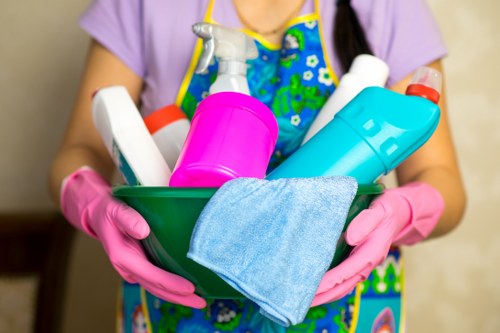
Domestic cleaning plays a direct role in how a home looks, feels, and functions. A clean home is more inviting for residents and guests, but the benefits go far beyond appearance. Regular domestic cleaning reduces the buildup of dust, allergens, bacteria, and unpleasant odors. This makes the home healthier for children, older adults, pets, and anyone with sensitivities to dust or poor indoor air quality.
Another major advantage of domestic cleaning is protection. Dirt, grease, soap scum, and moisture can damage surfaces over time if they are not addressed. Kitchen counters can stain, bathroom fixtures can lose their shine, flooring can wear down, and upholstery can become dull or musty. Regular domestic cleaning helps preserve the condition of your home, which may reduce repair and replacement costs in the long term.
There is also an emotional benefit. Many people find that a tidy, well-kept home contributes to a calmer mind and a stronger sense of control. When surfaces are clear and rooms smell fresh, daily tasks feel more manageable. A clean environment can support productivity, improve sleep, and create a more peaceful atmosphere overall.
Core Areas of Domestic Cleaning
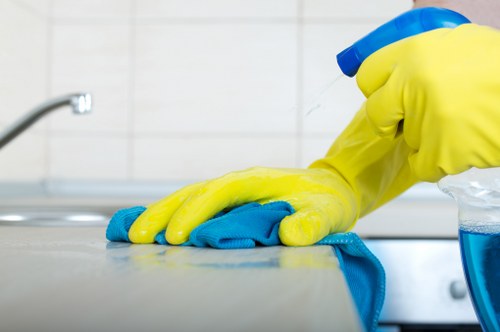
Domestic cleaning typically includes several zones in the home, each with its own needs and cleaning priorities. A strong cleaning routine addresses all of them rather than focusing only on visible surfaces. The goal is to maintain both hygiene and presentation.
Some of the most important areas include:
- Kitchen cleaning: counters, sinks, splashbacks, appliances, cupboard fronts, and floors.
- Bathroom cleaning: toilets, showers, baths, taps, mirrors, tiles, and drainage areas.
- Living area cleaning: dusting, vacuuming, upholstery care, and surface wiping.
- Bedroom cleaning: bed making, dust removal, floor cleaning, and linen care.
- Hallway and entry cleaning: floors, skirting boards, door handles, and high-touch areas.
Each of these zones benefits from regular attention, and the right approach depends on how often the room is used. For example, kitchens and bathrooms often need daily or near-daily cleaning, while guest rooms may require less frequent care. Still, every part of the home should be included in an overall domestic cleaning plan.
Building an Effective Domestic Cleaning Routine
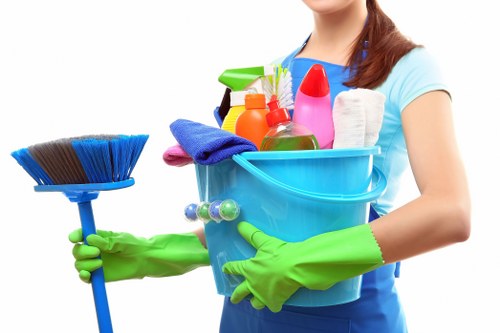
Consistency is the key to successful domestic cleaning. Rather than waiting until the home feels overwhelmed by mess, it is better to follow a practical routine. A structured plan saves time, reduces stress, and helps prevent dirt from accumulating. Many households benefit from dividing domestic cleaning into daily, weekly, and monthly tasks.
Daily tasks often include washing dishes, wiping kitchen surfaces, tidying clutter, making beds, and quick bathroom wipe-downs. These simple habits stop mess from spreading and make the home easier to maintain. Weekly tasks usually involve vacuuming, mopping, cleaning bathrooms more thoroughly, dusting furniture, and changing bed linens. Monthly tasks may include skirting boards, windowsills, cabinet tops, behind appliances, and deeper fabric care.
It is also helpful to clean from top to bottom and from one side of the room to the other. This method prevents dust from settling on already cleaned surfaces. Smart domestic cleaning is not about spending hours on every room; it is about working in a way that produces the best results with the least wasted effort.
Simple ways to stay on track
To make your routine easier, consider these practical methods:
- Keep all cleaning supplies in one organized caddy.
- Use timers to stay focused on specific tasks.
- Assign different cleaning jobs to different days.
- Deal with spills and stains immediately.
- Declutter before cleaning to speed up the process.
These small changes can make domestic cleaning feel far more manageable and less time-consuming.
Kitchen Domestic Cleaning: A High-Priority Space

The kitchen is one of the most important areas in any domestic cleaning routine because it is used for food preparation, cooking, and storage. Grease, crumbs, spills, and moisture can quickly create unsanitary conditions if they are ignored. Regular kitchen domestic cleaning helps reduce the risk of pests, bad odors, and cross-contamination.
Start by wiping down worktops, handles, switches, and splash zones after use. Clean the sink daily to remove food residue and soap buildup. Empty bins regularly and disinfect the bin area to prevent lingering smells. Appliances such as ovens, microwaves, fridges, and kettles also need periodic attention. Even if they look clean on the outside, hidden buildup can affect hygiene and performance.
Floors should be swept or vacuumed often, especially in households where food is prepared frequently. Mop as needed to remove grease and sticky residue. For deeper kitchen domestic cleaning, focus on cabinet exteriors, drawer fronts, extractor fans, and the spaces behind appliances. These often-overlooked areas can collect significant dirt over time.
Helpful kitchen cleaning tips
- Use warm water and appropriate degreasers for stubborn buildup.
- Clean as you cook to reduce the mess at the end of the day.
- Store food properly to prevent spills and pest issues.
- Keep microfiber cloths separate for kitchen tasks.
Kitchen domestic cleaning works best when done regularly instead of only during major cleanups. Small daily actions can make a noticeable difference in hygiene and convenience.
Bathroom Domestic Cleaning for Hygiene and Freshness
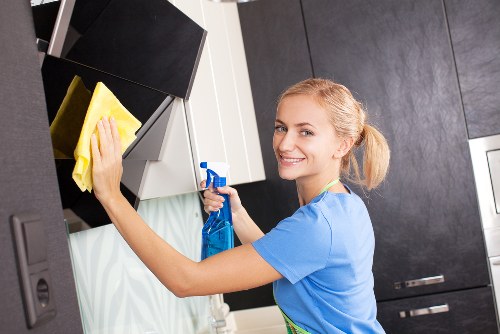
Bathrooms require special attention because they are exposed to moisture, soap residue, body oils, and bacteria. Bathroom domestic cleaning is essential for hygiene and for keeping the room smelling clean. If bathrooms are not cleaned often, limescale, mold, mildew, and grime can quickly build up on tiles, taps, and shower enclosures.
Focus first on high-touch and high-use areas such as toilets, sinks, taps, and door handles. Use suitable cleaners for different surfaces, especially where limescale or soap scum has formed. Mirrors should be wiped with a streak-free method, and shower screens should be treated regularly to prevent cloudy buildup. Towels, bath mats, and shower curtains also need laundering or replacement when they become worn or damp.
Ventilation is an important part of bathroom domestic cleaning. Good airflow helps reduce humidity, which lowers the risk of mold growth. If your bathroom has limited natural ventilation, use an extractor fan or open windows when possible. Drying surfaces after use can also help keep the room cleaner for longer.
Bathroom cleaning priorities
To maintain a fresh bathroom, focus on the following:
- Disinfect the toilet and surrounding areas.
- Remove limescale from taps and showerheads.
- Scrub grout and tile lines when needed.
- Clean mirrors and glass for a polished finish.
- Replace or wash fabric items regularly.
A carefully planned bathroom domestic cleaning routine improves both comfort and sanitation. It also helps prevent small issues from becoming costly maintenance problems later on.
Living Rooms, Bedrooms, and Shared Spaces
Domestic cleaning is not only about kitchens and bathrooms. Shared areas such as living rooms, dining rooms, hallways, and bedrooms also require regular upkeep. These spaces collect dust, fingerprints, pet hair, and everyday clutter. Because they are often where people relax and spend time together, maintaining them properly contributes to the overall atmosphere of the home.
Living room domestic cleaning usually includes dusting shelves, electronics, side tables, lamps, skirting boards, and decorative items. Sofas and chairs should be vacuumed to remove crumbs and dust. Soft furnishings may need periodic shampooing or professional cleaning, especially in homes with pets or young children. Rugs and carpets should also be vacuumed regularly to keep them fresh and reduce allergens.
Bedrooms require a slightly different approach. These rooms should support rest, so it is important to keep them uncluttered and dust-free. Change bed linens on a regular schedule, vacuum under furniture where possible, and wipe down surfaces such as bedside tables and wardrobes. A tidy bedroom can improve sleep quality and make mornings feel less rushed.
Shared space cleaning ideas
- Use a microfiber duster to capture dust effectively.
- Vacuum upholstery and cushions to remove hidden debris.
- Keep storage baskets or organizers to reduce clutter.
- Rotate decorative items to make dusting easier.
Well-maintained shared spaces reflect the care invested in the home. Domestic cleaning in these rooms supports comfort, order, and everyday livability.
Tools and Products That Improve Domestic Cleaning
Choosing the right tools and products can make domestic cleaning easier, faster, and more effective. Not every surface requires a harsh product, and using the wrong one may cause damage or reduce cleaning results. A thoughtful collection of supplies can handle most household tasks efficiently.
Useful domestic cleaning tools often include microfiber cloths, vacuum cleaners, mops, spray bottles, scrub brushes, dusters, and buckets. These basics can manage dust, spills, and grime in most rooms. For deeper jobs, you may also need specialist products such as limescale remover, oven cleaner, disinfectant, glass cleaner, upholstery shampoo, and floor-specific solutions.
It is also worth paying attention to product labels and surface compatibility. Some materials, such as natural stone, wood, or delicate fabrics, require gentle cleaning methods. Using the right product protects the surface while still delivering strong results. Where possible, many households prefer eco-friendly domestic cleaning products because they can reduce harsh chemical exposure and support better indoor air quality.
Recommended domestic cleaning essentials
- Microfiber cloths for dusting and wiping.
- A HEPA or high-quality vacuum for carpets and rugs.
- A mop suitable for hard floors.
- Non-abrasive sponges and soft scrub brushes.
- Safe disinfectants for bathrooms and kitchen surfaces.
Good tools do not replace effort, but they do improve efficiency. When used correctly, they can help domestic cleaning become less tiring and more consistent.
Deep Domestic Cleaning vs Routine Cleaning
There is an important difference between routine domestic cleaning and deep domestic cleaning. Routine cleaning keeps the home presentable and hygienic on a day-to-day basis. Deep cleaning, by contrast, targets hidden dirt, neglected areas, and buildup that regular cleaning may not fully remove. Both are important, and each serves a different purpose.
Routine domestic cleaning includes vacuuming, dusting, wiping, mopping, and sanitizing high-touch points. Deep domestic cleaning may involve cleaning behind appliances, washing windows, scrubbing grout, cleaning inside cupboards, steaming upholstery, and disinfecting often-forgotten corners. It is usually done less often, but it has a major effect on the overall condition of the home.
For many households, seasonal deep cleaning is an excellent strategy. Spring, autumn, or end-of-year cleaning sessions allow you to reset the home and address areas that routine maintenance does not reach. This is also a good time to sort through storage, donate unused items, and refresh the home environment.
When deep cleaning is especially useful
- Before or after moving house.
- After renovation or building work.
- At the change of seasons.
- Before hosting guests or events.
- When allergies or odors become noticeable.
By combining routine and deep domestic cleaning, homeowners can maintain a cleaner, safer, and more attractive property throughout the year.
The Benefits of Professional Domestic Cleaning
Many households try to manage everything themselves, but professional domestic cleaning services can provide a valuable extra level of support. A trained cleaner can complete tasks more efficiently, use professional-grade equipment, and reach areas that may be difficult to tackle alone. This is especially helpful for busy families, working professionals, older residents, or anyone recovering from illness or injury.
Professional domestic cleaning can also deliver more consistent results. Instead of cleaning only when you have spare time, you can rely on a scheduled service that keeps the home in good condition. This may include regular weekly cleaning, occasional deep cleaning, end-of-tenancy cleaning, or one-off visits for specific needs. Professional support can reduce household pressure and free up more time for work, rest, and family life.
Another benefit is attention to detail. Experienced cleaners often know how to clean efficiently without overlooking important areas like skirting boards, door frames, fixtures, and hidden corners. If your home needs a higher standard of cleanliness, professional domestic cleaning may be the most practical solution. Book your service now if you want to save time and enjoy a fresher home with less effort.
When to consider professional support
- If your schedule makes regular cleaning difficult.
- If your home needs a deep refresh.
- If you want better results for bathrooms and kitchens.
- If you are preparing for an event or move.
- If you want ongoing maintenance without the stress.
How to Choose the Right Domestic Cleaning Service
If you decide to hire a domestic cleaning service, it helps to know what to look for. A good service should be reliable, organized, and clear about what is included. Whether you need regular domestic cleaning or a more specialized clean, choosing the right provider can make a big difference in the outcome.
Start by considering the scope of work you need. Some services focus on standard cleaning tasks, while others offer deep cleaning, upholstery care, or specialized add-ons. It is also worth checking whether the service can adapt to your preferences, such as eco-friendly products, particular cleaning schedules, or priorities for certain rooms.
Look for signs of professionalism such as clear service descriptions, transparent pricing, and consistent communication. A dependable domestic cleaning provider should make the process simple and stress-free. You should feel confident that your home will receive careful attention and that the work will be completed to a high standard.
Checklist for selecting a service
- Identify your cleaning needs.
- Ask what tasks are included.
- Check whether products and equipment are provided.
- Confirm scheduling flexibility.
- Choose a service aligned with your home care goals.
Taking the time to choose carefully can lead to better value and better results. If you want reliable domestic cleaning, the right service will help you maintain a clean home without unnecessary hassle.
Eco-Friendly Domestic Cleaning and Healthier Homes
More households are now interested in eco-friendly domestic cleaning because it supports both environmental responsibility and indoor comfort. Green cleaning products and methods can reduce exposure to harsh chemicals, strong fumes, and unnecessary waste. For families, pet owners, and people with sensitivities, this can be a meaningful advantage.
Eco-friendly domestic cleaning often uses biodegradable products, reusable cloths, refillable bottles, and simple ingredients such as vinegar or baking soda where appropriate. However, it is still important to choose the right method for the right surface. Some materials do not respond well to homemade solutions, so product guidance matters. The goal is to keep the home clean while minimizing unnecessary impact.
Improving home hygiene does not always require heavy chemicals. Often, regular dusting, good ventilation, frequent laundering, and immediate spill cleanup are enough to maintain a fresh environment. Sustainable domestic cleaning is about balance: effective results, responsible choices, and habits that are easy to maintain over time.
Eco-friendly cleaning habits
- Use washable cloths instead of disposable wipes.
- Buy concentrates or refill products when possible.
- Air rooms out regularly to improve freshness.
- Reduce product overuse to avoid waste.
These habits can make domestic cleaning more sustainable while still delivering the cleanliness households need.
Domestic Cleaning Tips for Busy Lifestyles
Busy schedules are one of the biggest reasons people struggle with domestic cleaning. Work, children, travel, social commitments, and unexpected responsibilities can leave little time for household chores. The good news is that a home does not need to be perfect every day to remain clean and comfortable. A practical strategy is usually more effective than trying to do everything at once.
One useful approach is the “little and often” method. Instead of waiting for a full cleaning day, complete small tasks throughout the week. Five minutes spent wiping a counter or vacuuming a hallway can prevent bigger jobs later. It also helps to connect domestic cleaning with daily routines, such as wiping the bathroom sink after brushing your teeth or tidying one room before bed.
Another strategy is to assign tasks by zone or schedule. For example, Mondays could be for laundry, Tuesdays for bathrooms, Wednesdays for floors, and so on. This keeps domestic cleaning predictable and reduces decision fatigue. Families can also share responsibilities, which makes the workload lighter and teaches everyone to contribute to home care.
Time-saving cleaning habits
- Use storage solutions to cut down clutter.
- Keep cleaning products where you need them most.
- Set a 10-minute reset at the end of the day.
- Focus on high-traffic areas first.
With a realistic system in place, domestic cleaning becomes less of a burden and more of a simple part of home management. If you need extra support, contact us today and explore the right cleaning option for your home.
Conclusion: Making Domestic Cleaning Work for You
Domestic cleaning is an ongoing process that supports hygiene, comfort, and the overall quality of home life. From kitchen sanitation and bathroom freshness to dust control, floor care, and deeper seasonal maintenance, every part of the home benefits from regular attention. A clean house is easier to live in, easier to maintain, and more pleasant for everyone inside it.
The most effective domestic cleaning approach is one that fits your routine, your household needs, and your standards. Some people are happy with daily upkeep and occasional deep cleaning, while others prefer professional support to ensure consistent results. Either way, the goal is the same: a healthier, more organized, and more enjoyable living space.
If you have been thinking about improving your home care routine, now is a great time to act. Whether you start with a better schedule, stronger cleaning habits, or a professional service, every step helps. Book your service now and take the next step toward a cleaner home that feels fresher, calmer, and easier to enjoy every day.
Domestic cleaning is not just about appearance; it is about creating a home that truly supports the people who live in it. With the right approach, you can keep your property looking great and functioning at its best all year round.