Commercial Cleaning in Modern Workspaces: What Businesses Need to Know
Commercial cleaning plays a major role in how a business looks, feels, and functions every day. In offices, retail stores, medical centers, warehouses, schools, and hospitality venues, cleanliness is not just about appearance. It affects employee morale, customer confidence, safety, productivity, and even the long-term condition of the property itself. For many organizations, investing in commercial cleaning is one of the simplest ways to create a healthier, more professional environment.
Today’s businesses face higher expectations than ever before. Clients notice the condition of lobbies, restrooms, meeting rooms, and shared spaces. Employees expect a tidy and hygienic workplace where they can focus on their tasks without distractions. That is why commercial cleaning services have become essential rather than optional. Whether you manage a small office or a large facility, understanding how business cleaning works can help you make smarter decisions.
Unlike basic tidying, commercial cleaning involves structured routines, specialized tools, trained staff, and targeted methods designed for busy environments. It can include daily janitorial work, deep sanitization, floor care, carpet maintenance, window washing, restroom disinfection, and more. The right cleaning approach supports your brand image while protecting the health and safety of everyone who enters the building.
Why Commercial Cleaning Matters for Every Business
Commercial cleaning is a practical investment with wide-reaching benefits. A clean workplace sends a strong message to customers and visitors: your business is organized, responsible, and attentive to detail. When a space is spotless, people often assume the same level of care applies to the rest of the operation. That first impression matters, especially in industries where trust and credibility are important.
Cleanliness also contributes directly to employee well-being. Dust, debris, bacteria, and poor air quality can make it harder for staff to concentrate and feel comfortable. In busy environments, routine commercial cleaning reduces clutter and helps create a calmer atmosphere. Employees are more likely to feel valued when their workplace is maintained properly, and that can improve retention and morale.
Another major reason commercial cleaning matters is safety. Spills, trash buildup, and neglected surfaces can lead to slips, falls, and the spread of germs. In high-traffic workplaces, consistent cleaning helps lower these risks. For business owners, this means fewer interruptions, fewer complaints, and a reduced chance of avoidable incidents.
Core Services Included in Commercial Cleaning
Commercial cleaning services can be tailored to the unique needs of each facility. While no two businesses are exactly alike, most cleaning plans include a combination of recurring tasks and periodic deep-cleaning services. The goal is to maintain consistency while adapting to the demands of the location.
Common services in commercial cleaning include:
- Dusting desks, ledges, shelving, and fixtures
- Vacuuming carpets and area rugs
- Mopping hard floors and tile surfaces
- Restroom sanitation and replenishing supplies
- Kitchen and breakroom cleaning
- Trash removal and recycling support
- Surface disinfection in high-touch areas
- Glass and window cleaning
Many businesses also request specialized services such as carpet shampooing, floor stripping and waxing, pressure washing, upholstery care, and post-construction cleanup. These added services help preserve the appearance of the property and extend the life of various surfaces. A strong commercial cleaning plan should be flexible enough to cover everyday needs while also addressing seasonal or occasional issues.
How Commercial Cleaning Supports Health and Hygiene
Health and hygiene are two of the strongest reasons companies invest in professional cleaning. Shared workplaces can quickly become hotspots for dust, allergens, and bacteria. Desks, keyboards, door handles, elevator buttons, and restroom fixtures are touched frequently, which makes regular disinfection critical. Commercial cleaning helps reduce the spread of illness and creates a more sanitary environment for everyone.
This is especially important in settings where people come and go throughout the day. Office buildings, healthcare facilities, educational institutions, and customer-facing spaces all benefit from structured cleaning protocols. By focusing on high-touch surfaces and often-overlooked areas, cleaning teams help limit the accumulation of contaminants and promote better hygiene overall.
For businesses that want to maintain healthier air quality, commercial cleaning can also make a real difference. Dust control, vacuuming with proper filtration, and routine maintenance of carpets and upholstery help reduce airborne particles. That is a valuable advantage for employees or customers with allergies or sensitivities. In many cases, a healthier space means fewer disruptions and better day-to-day performance.
Choosing the Right Commercial Cleaning Schedule
Every business has different cleaning requirements, and the ideal schedule depends on traffic, industry, size, and operating hours. Some offices need nightly maintenance, while others may only require service a few times each week. A well-designed commercial cleaning schedule should match the real patterns of use inside the facility.
To determine the right routine, business owners should consider:
- How many employees and visitors use the space daily
- Which areas receive the most foot traffic
- What type of surfaces and flooring need care
- Whether the business handles food, sensitive materials, or public interactions
- Any compliance or sanitation requirements specific to the industry
High-traffic businesses often require daily commercial cleaning services, while lower-traffic offices may benefit from weekly deep cleaning and periodic touch-ups. The key is consistency. Irregular cleaning can allow dirt and clutter to accumulate quickly, making maintenance harder and more expensive over time. A predictable schedule helps keep everything under control.
What to Expect from Professional Commercial Cleaning Services
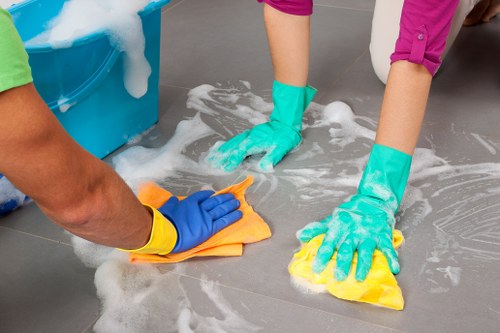
Professional commercial cleaning is more structured than standard housekeeping. A reliable provider typically begins with an assessment of the property, followed by a customized cleaning plan. This plan outlines what gets cleaned, how often, and which products or equipment are used. That level of organization ensures the service is efficient and aligned with the business’s goals.
Most professional teams bring trained staff who understand how to clean different materials and surfaces without causing damage. For example, hardwood floors, polished concrete, glass partitions, and upholstered furniture each require a different approach. Using the wrong product can lead to streaking, discoloration, or long-term wear. Skilled cleaners know how to balance effectiveness with care.
Another advantage of professional commercial cleaning is accountability. Businesses can request detailed service checklists, inspection routines, and flexible scheduling options. This makes it easier to monitor performance and ensure the space stays consistently clean. The result is a more dependable standard than ad hoc cleaning by untrained staff.
Commercial Cleaning for Different Types of Facilities
Not all facilities need the same level of service. One of the strengths of commercial cleaning is its adaptability. A successful cleaning program should match the specific environment rather than forcing a one-size-fits-all model. Businesses that understand their unique cleaning demands are better positioned to maintain safe, attractive spaces.
Office buildings
Office environments usually require dusting, trash collection, restroom care, kitchen sanitation, and floor maintenance. Shared desks, conference rooms, and reception areas often need frequent attention because they are used by multiple people throughout the day.
Retail stores
Retail spaces depend heavily on presentation. Clean floors, polished glass, spotless fitting rooms, and neat checkout areas all contribute to customer confidence. Commercial cleaning helps stores stay inviting and reduce the visual clutter that can discourage purchases.
Healthcare and medical spaces
Medical offices, clinics, and treatment centers need strict cleaning protocols. Hygiene is especially important where patients may be vulnerable. These settings often require enhanced disinfection, careful handling of waste, and attention to high-touch surfaces.
Hospitality and food service
Hotels, restaurants, and catering facilities must maintain a high standard of cleanliness to protect guests and uphold brand reputation. Commercial cleaning in these spaces often includes dining areas, kitchens, restrooms, and guest-facing areas that need frequent upkeep.
Commercial Cleaning and Workplace Productivity
Clean environments are easier to work in. When clutter, dust, and unpleasant odors are removed regularly, employees can concentrate more fully on their responsibilities. That is one reason commercial cleaning is closely tied to productivity. A neat workplace supports focus, reduces distractions, and creates a more professional rhythm throughout the day.
Workers also tend to feel more positive in clean spaces. Simple factors like fresh floors, organized common areas, and sanitized restrooms can make a big difference in daily comfort. When staff do not have to worry about messy surroundings, they can spend more energy on meaningful tasks. That can contribute to better collaboration and smoother operations.
From a management perspective, a strong cleaning routine can reduce the amount of time employees spend handling basic maintenance issues. Instead of dealing with overflowing bins, stained carpets, or dirty break areas, staff can remain focused on their core roles. In that sense, commercial cleaning services help protect both time and productivity.
Key Benefits of Outsourcing Commercial Cleaning
Many businesses choose to outsource cleaning rather than assign it internally. There are several reasons for this. Professional cleaning providers bring expertise, tools, and consistency that can be difficult to match in-house. Outsourcing also gives business leaders more time to focus on operations, client service, and growth.
- Consistent quality: Trained teams follow standard procedures and checklists.
- Time savings: Employees are free to focus on their actual jobs.
- Access to equipment: Professional cleaners often use specialized tools and products.
- Scalable service: Cleaning can be adjusted as the business grows or changes.
- Better oversight: Service agreements help define expectations clearly.
Outsourcing commercial cleaning can also be more cost-effective than building an internal cleaning department. When labor, training, supply management, and supervision are considered together, professional service often provides stronger value. For many companies, this makes outsourcing a smart operational decision.
What Makes a Commercial Cleaning Plan Effective?
An effective cleaning plan is specific, realistic, and responsive to the needs of the property. It should not rely on guesswork. Instead, it should define tasks, frequency, responsibilities, and quality standards. A thoughtful approach to commercial cleaning ensures that no important areas are ignored.
Several factors help make a plan successful:
- Clear scope of work for each area of the building
- Regular inspection and quality checks
- Use of appropriate cleaning products for different surfaces
- Flexibility for seasonal or event-based needs
- Reliable communication between the client and cleaning provider
It is also important to review the plan periodically. Businesses evolve, work schedules change, and occupancy levels may rise or fall. A cleaning program that worked well last year may need adjustments today. By revisiting service needs regularly, companies can keep their commercial cleaning strategy effective and efficient.
Commercial Cleaning Supplies and Equipment
The tools used in commercial cleaning have a major impact on results. Professional teams often rely on high-performance vacuums, microfiber cloths, floor machines, disinfectants, restroom supplies, and specialty detergents. These tools are selected to address heavy use, larger square footage, and more demanding sanitation standards.
Using the right products matters just as much as using the right tools. A reputable commercial cleaning process avoids harsh chemicals that may damage finishes or create unnecessary residue. Instead, the focus is on effective, surface-appropriate solutions that clean thoroughly while supporting safety and longevity.
For businesses that want to maintain a polished image, details matter. Streak-free glass, odor control, shiny floors, and dust-free surfaces all reflect careful maintenance. When equipment and supplies are chosen thoughtfully, commercial cleaning services can maintain a property at a higher standard for longer periods of time.
Safety, Compliance, and Professional Standards
Many businesses operate under regulations or industry standards that affect sanitation and cleanliness. Commercial cleaning can help support compliance by ensuring relevant areas are maintained properly. This is particularly important in sectors where public health, customer safety, or hygiene inspections are part of daily operations.
Professional cleaners also follow safety practices to protect workers and occupants. That can include using correct signage for wet floors, storing chemicals properly, and applying cleaning solutions according to manufacturer instructions. Good safety habits reduce risks while making the environment more reliable for everyone using the space.
For businesses, choosing a provider that values professionalism is essential. A strong commercial cleaning partner should respect schedules, maintain confidentiality when needed, and work carefully around people, equipment, and business operations. Those qualities help ensure the cleaning service fits smoothly into the workplace rather than disrupting it.
How to Evaluate Commercial Cleaning Providers
When selecting a service provider, businesses should look beyond price alone. Cost matters, but value depends on reliability, quality, communication, and service range. The best commercial cleaning companies demonstrate consistent workmanship and understand how to tailor their process to each client’s space.
Important evaluation points
- Experience with your type of facility
- Range of services offered
- Ability to customize schedules
- Professional training and supervision
- Use of quality products and equipment
- Clear service standards and inspection methods
It is also wise to ask how a provider handles special requests, peak seasons, and emergency needs. A responsive team can make a major difference when the business faces unexpected messes, event cleanup, or sudden changes in occupancy. The more adaptable the provider, the more useful the service becomes over time.
The Long-Term Value of Commercial Cleaning
Commercial cleaning is not just a short-term fix. Over time, it helps preserve the condition of flooring, upholstery, fixtures, and other assets. Dust and grime can wear down materials faster if they are not removed consistently. By staying ahead of buildup, businesses can extend the life of their property and reduce the need for costly replacements.
There is also long-term value in brand perception. Customers notice whether a space is clean, fresh, and well kept. Employees notice too. A consistent cleaning program contributes to a stronger overall reputation, which can influence everything from client loyalty to recruiting success. In competitive industries, those impressions matter more than many businesses realize.
Most importantly, commercial cleaning supports a work environment where people can feel comfortable and focused. That may not always be visible at first glance, but it shapes daily experience in meaningful ways. For organizations that care about quality, professionalism, and health, regular cleaning is one of the most practical investments they can make.
Final Thoughts on Commercial Cleaning
Commercial cleaning is a core part of maintaining a successful business environment. It improves presentation, supports health, protects property, and helps employees and customers feel more comfortable. From daily maintenance to specialized services, a thoughtful cleaning plan keeps the workplace running smoothly and looking its best.
If your business is ready to improve cleanliness, reduce stress, and create a better experience for everyone who enters the building, now is the time to act. Contact us today to explore a cleaning approach that fits your space, schedule, and goals. Book your service now and take the next step toward a cleaner, more professional workplace.
Make cleaning a strategic advantage
When commercial cleaning is handled properly, it becomes more than a maintenance task. It becomes a simple but powerful way to strengthen operations, support wellness, and build trust. That is why businesses of all sizes continue to prioritize cleaning as part of their long-term success.
Ready to improve your workplace environment?
Commercial cleaning services can help create a space that feels polished, safe, and welcoming every day. The cleaner your business looks, the stronger impression it makes.