End of Tenancy Cleaning: A Practical Approach to Getting Your Property Ready for Inspection
What End of Tenancy Cleaning Really Means
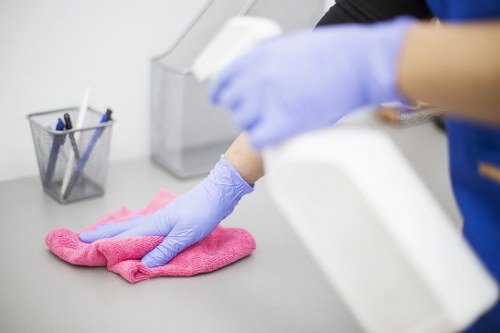
End of tenancy cleaning is the detailed cleaning process carried out when a tenant is preparing to move out of a rented property. It is designed to return the home to a condition that meets the expectations of landlords, letting agents, and inventory checkers. In many cases, the goal is to leave the property as close as possible to the same condition it was in at the start of the tenancy, allowing for normal wear and tear.
This type of cleaning goes beyond routine weekly tidying. It usually includes deep cleaning kitchens, bathrooms, floors, fixtures, fittings, and overlooked areas such as skirting boards, light switches, and inside cupboards. Because end of tenancy cleaning is often linked to deposit returns, many tenants treat it as a high-priority task before handing back the keys.
For landlords and agents, a properly cleaned property creates a better first impression for the next occupant. For tenants, it can reduce stress during the move-out period and improve the chances of receiving the full deposit back. That is why end of tenancy cleaning remains one of the most important steps in the moving process.
Why End of Tenancy Cleaning Matters

Moving out of a rental property can be expensive and hectic, so it makes sense to avoid unnecessary deductions wherever possible. A thorough end of tenancy cleaning service helps demonstrate that the property has been cared for responsibly. In most tenancy agreements, tenants are expected to leave the home in a clean and presentable condition, and failing to do so can lead to disputes.
One of the main reasons this cleaning matters is the deposit. Security deposits are often withheld partly or fully if the property is left dirty, damaged, or not prepared according to the lease conditions. Even if the property is otherwise in good condition, poor cleaning standards can affect the final outcome of the inspection. This makes end of tenancy cleaning an important financial consideration, not just a cosmetic one.
There is also the practical benefit of reducing tension at the end of the tenancy. A spotless property can make the handover smoother and less stressful. Landlords are more likely to approve the check-out quickly when the property has been professionally cleaned, and tenants can focus on settling into their new place. For many households, that peace of mind is worth the effort alone.
What Is Usually Included in End of Tenancy Cleaning?
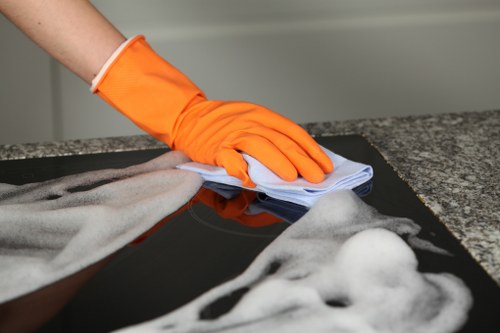
The exact checklist for end of tenancy cleaning can vary depending on the property, tenancy agreement, and the expectations of the letting agent. However, most services follow a similar structure and focus on areas that are often checked during inventory inspections.
Typical tasks include cleaning appliances, polishing surfaces, removing limescale, vacuuming carpets, wiping down doors and frames, and cleaning bathrooms from top to bottom. A reliable end of tenancy cleaning process often covers both visible and hidden areas, such as behind furniture, under beds, and inside drawers or cabinets. The aim is to leave the whole property fresh, hygienic, and inspection-ready.
Common areas included in a standard clean are:
- Kitchen cupboards, worktops, splashbacks, sinks, ovens, hobs, and extractor fans
- Bathrooms including toilets, bathtubs, showers, tiles, mirrors, and taps
- Living rooms and bedrooms including skirting boards, windowsills, and wardrobes
- Hallways, staircases, and communal areas where applicable
- Floor cleaning such as vacuuming, sweeping, mopping, and stain removal
Kitchen Cleaning Priorities

The kitchen is usually the most heavily inspected room during end of tenancy cleaning. Grease, food residue, limescale, and stubborn stains can quickly build up in this space, so it often requires the most time and attention. A neglected kitchen can create an immediate negative impression during the final inspection.
Cleaning should normally start with the appliances. Ovens, hobs, microwaves, fridges, freezers, and dishwashers all need careful attention. Shelves and trays should be wiped down, and any food debris should be removed. In many cases, deep cleaning the oven is one of the most important tasks because landlords often look closely at its condition.
Cabinets, drawers, and handles should also be cleaned inside and out. Worktops need to be disinfected, and sinks should be descaled and polished. Don’t forget areas such as the extractor hood, tiles behind the hob, and the plinths under the units. A proper end of tenancy cleaning routine in the kitchen can make the entire property feel much more presentable.
Bathroom Cleaning and Hygiene Standards

Bathrooms require a different kind of attention because hygiene is a major concern. During end of tenancy cleaning, the bathroom should look bright, fresh, and free from mold, soap scum, and water marks. Even small areas of grime can stand out in inspection photos or during a walk-through.
To clean the bathroom properly, focus on sinks, taps, toilets, tubs, showers, mirrors, and tiles. Limescale build-up around taps and shower heads should be removed, and any visible mold around grout or seals should be treated. The goal of end of tenancy cleaning is not just to make the bathroom look clean, but to ensure it is hygienic and odor-free as well.
It is also worth checking behind and around fixtures. Dust can collect near pipes, under cabinets, and along the edges of the floor. Ventilation fans, towel rails, and light fittings may also need attention. A well-cleaned bathroom often helps set the tone for the rest of the property and is one of the clearest signs that the tenant has taken the move-out process seriously.
Living Areas, Bedrooms, and Hallways
While kitchens and bathrooms usually demand the most intensive work, the rest of the property still needs a full end of tenancy cleaning treatment. Living rooms, bedrooms, hallways, and staircases often collect dust, fingerprints, and everyday dirt that may not be noticeable during regular cleaning but become obvious during a check-out inspection.
In these areas, cleaners usually focus on dusting all surfaces, wiping down baseboards, cleaning window ledges, and vacuuming carpets or mopping hard floors. Light switches, sockets, skirting boards, radiators, shelves, and internal glass may also need attention. If the property has fitted wardrobes or storage units, they should be emptied and cleaned inside.
Bedrooms are often overlooked because they seem simple to tidy, but they still need thorough care. End of tenancy cleaning in bedrooms should include removing dust from corners, cleaning behind furniture, and checking for marks on walls or doors. Hallways and stairs are equally important because they are high-traffic areas and are often examined first by landlords or agents.
Windows, Floors, and Fixtures: The Details That Matter
When people think about end of tenancy cleaning, they often focus on the obvious areas. However, the smaller details can make a significant difference to the result. Windows, floors, and fixtures are frequently checked because they reveal how thoroughly the property has been cleaned.
Windows should usually be cleaned internally, including frames, sills, and handles. If accessible, external panes may also be included depending on the cleaning arrangement and safety conditions. Clean windows help natural light brighten the property and create a more cared-for appearance. Likewise, polished fixtures such as taps, handles, and switches can improve the overall impression quickly.
Floors need a room-by-room approach. Carpets should be vacuumed carefully, and any stains addressed where possible. Hard floors may require sweeping, mopping, or scrubbing depending on the material. End of tenancy cleaning is often judged by the smallest visible details, so attention to these areas helps avoid complaints during the inspection.
How to Prepare Before Cleaning Starts
Preparation can make end of tenancy cleaning easier and more effective. Before the cleaning begins, it is helpful to remove all personal belongings, dispose of rubbish, and empty cupboards, drawers, wardrobes, and storage spaces. The fewer items left behind, the more thoroughly each area can be cleaned.
It is also sensible to defrost fridges and freezers in advance if they are being cleaned. This allows time for ice to melt and prevents standing water from slowing down the process. If appliances are switched off, make sure they are safe and disconnected properly before cleaning begins. For a smooth end of tenancy cleaning experience, planning ahead is just as important as the cleaning itself.
Some tenants choose to take photos before and after the clean so they have a record of the property’s condition. This can be useful if there is any dispute later. In addition, checking the inventory report beforehand helps identify items that may need extra attention, especially in properties with higher expectations for cleanliness.
Should You Clean It Yourself or Hire Professionals?
One of the biggest decisions at the end of a tenancy is whether to handle the cleaning personally or hire a professional service. Both options have benefits, but the right choice depends on time, budget, property size, and the level of cleaning required. End of tenancy cleaning can be very time-consuming, especially if the property has multiple bedrooms, carpets, or heavily used appliances.
Doing it yourself can save money, but it also means you must supply all equipment, cleaning products, and time. For some tenants, that is manageable. For others, especially those juggling a move, work, and family commitments, the stress can become overwhelming. A professional end of tenancy cleaning team can reduce pressure and deliver a more consistent result.
Professional cleaners usually bring specialist tools and know exactly what letting agents look for during inspections. They can target stubborn grime, sanitize high-contact areas, and complete the job more efficiently. If your priority is a better chance of a full deposit return, booking a professional end of tenancy cleaning service may be the smarter long-term choice.
Benefits of Professional End of Tenancy Cleaning
There are several reasons why many tenants choose expert help for end of tenancy cleaning. First, professionals are familiar with the standards expected at check-out. They understand what needs extra effort and where disputes often arise. That knowledge can be very helpful when time is short and the pressure is high.
Second, professional cleaners often work with a checklist, which improves consistency. This means important tasks are less likely to be missed. From oven degreasing to bathroom descaling, each area is treated with a methodical approach. In many cases, end of tenancy cleaning services also use stronger or more effective products than the average household supplies.
Third, hiring experts can save energy during a busy moving period. Packing, transporting belongings, changing addresses, and arranging utilities can take up a lot of mental space. Delegating the cleaning allows tenants to focus on relocation without sacrificing quality. For many households, that convenience alone makes professional cleaning worth considering.
What Affects the Cost of End of Tenancy Cleaning?
The cost of end of tenancy cleaning can vary widely depending on the size and condition of the property. A small studio flat will usually cost less than a large house with several bathrooms and carpets throughout. The number of rooms, the level of dirt, and any additional tasks such as carpet or upholstery cleaning can also influence the final price.
Location may play a role too, especially in busy urban areas where demand is higher. Some companies charge by room, while others offer fixed rates based on property size. Extra services such as fridge cleaning, oven deep cleaning, and stain treatment may be included or listed separately. When comparing options, it is wise to check exactly what is covered in the end of tenancy cleaning package.
Although price matters, the cheapest option is not always the best value. A lower rate may mean less detail, fewer guarantees, or limited equipment. If your deposit is at stake, it is worth balancing affordability with service quality. End of tenancy cleaning should be seen as an investment in a smoother move-out process.
How to Choose the Right Cleaning Service
Choosing the right provider for end of tenancy cleaning can make the difference between a smooth handover and a stressful dispute. Start by checking what is included in the service. A trustworthy company should provide a clear checklist and explain whether appliances, carpets, windows, and inside cupboards are part of the job.
It is also useful to ask whether the service offers a satisfaction policy or re-clean option if the property does not pass inspection. While terms vary, this can add confidence and show that the company understands the standards required for end of tenancy cleaning. You should also look for flexibility in scheduling, especially if your move-out date is tight.
Reading the service description carefully helps avoid misunderstandings. If you have pets, smoking residue, or heavy limescale, mention these issues in advance so the cleaners can prepare properly. A transparent service is more likely to deliver the outcome you need and reduce the risk of last-minute problems.
Eco-Friendly Cleaning Options
Many tenants now prefer environmentally conscious solutions for end of tenancy cleaning. Eco-friendly products can be effective while reducing the use of harsh chemicals in the property. This can be especially helpful for households sensitive to strong odors or residues left behind by conventional cleaners.
Sustainable cleaning methods often focus on biodegradable products, microfiber cloths, reduced water waste, and reusable supplies. These practices can still achieve an excellent finish when used properly. In fact, end of tenancy cleaning does not have to depend on aggressive chemicals to look professional and fresh.
If environmental impact is important to you, ask whether the cleaning provider offers greener alternatives. Many modern services are happy to adapt. Choosing eco-conscious cleaning can be a practical way to protect the property while also making a responsible choice for the environment.
Common Mistakes to Avoid
Even with good intentions, tenants sometimes make mistakes during end of tenancy cleaning that lead to avoidable deductions or complaints. One common issue is leaving the job too late. Cleaning under pressure often means details are missed, especially in kitchens and bathrooms where grime builds up quickly.
Another mistake is focusing only on visible surfaces. Landlords and agents often inspect hidden spots such as behind furniture, inside cupboards, and along the tops of doors. Skipping these areas can make a property look only partially cleaned. A thorough end of tenancy cleaning routine should always include the overlooked places.
Using the wrong products is another frequent problem. Harsh chemicals can damage surfaces, while ineffective ones may fail to remove stubborn dirt. Always check cleaning instructions for delicate materials. Lastly, do not forget to check bulbs, smoke alarms, and ventilation points if they are part of the property’s expectations. Small details can have a surprisingly large impact.
Final Checks Before Handing Back the Keys
Before returning the keys, it is worth doing one last walkthrough. This final review helps make sure the property is ready for inspection and that no area has been missed. End of tenancy cleaning is not just about making the place look neat; it is about confirming that everything is in order for the handover.
Check that all rubbish has been removed, cupboards are empty, surfaces are dry, and appliances are switched off or cleaned as required. Open drawers, look inside wardrobes, and inspect corners for dust or debris. If curtains or blinds are included in the tenancy agreement, make sure they are clean and arranged properly. This final pass is a useful safeguard against oversights.
It can also help to review the tenancy agreement and inventory report one more time. That way, you can compare the property’s current state with the original expectations. When the end of tenancy cleaning has been completed carefully, the final handover usually becomes much easier and more predictable.
Why End of Tenancy Cleaning Supports a Smooth Move
Moving home is often a major life event, and the final clean plays a bigger role than many people expect. End of tenancy cleaning contributes to a smoother move by reducing conflict, supporting deposit recovery, and leaving the property in a condition that satisfies professional standards. It can also provide a sense of closure at the end of a tenancy.
For tenants, the benefits are practical and financial. For landlords, the benefit is a cleaner handover and a property that is ready for the next occupant sooner. For everyone involved, end of tenancy cleaning helps create a fair transition between tenancies. That is one reason it remains such an essential part of the rental process.
If you are approaching the end of your lease, start planning early and decide whether you will clean the property yourself or use professionals. Either way, the key is to be thorough, organized, and realistic about the work involved. Book your service now if you want to save time and reduce stress during the move-out period.
Quick End of Tenancy Cleaning Checklist
Use this practical checklist to stay on track:
- Remove all personal belongings and rubbish
- Clean kitchen appliances inside and out
- Descale and sanitize bathroom fixtures
- Dust all surfaces, skirting boards, and fittings
- Vacuum carpets and mop hard floors
- Clean inside cupboards, wardrobes, and drawers
- Check windows, handles, and light switches
- Perform a final inspection before handing back the keys
End of tenancy cleaning becomes much easier when you follow a clear sequence. A checklist helps ensure that every room gets proper attention and nothing important is forgotten.
Small Details That Can Make a Big Difference
Details such as clean plug sockets, polished taps, streak-free glass, and dust-free corners often leave the strongest impression during an inspection. These finishing touches show care and attention, which can be beneficial when the property is assessed. If you want support with the final stage of your move, contact us today and make your end of tenancy cleaning easier to manage.