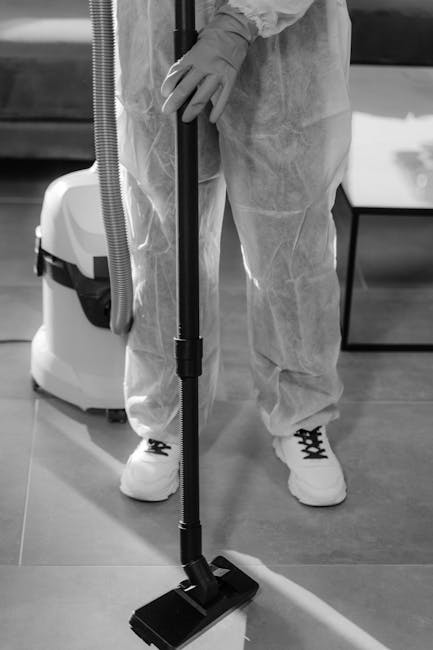
Same day emergency cleaning in Ealing real cost guide
If you are dealing with a sudden mess, a flooded kitchen, an unexpected tenant turnover, or a last-minute inspection, the clock starts feeling very loud very quickly. That is usually when people search for a Same day emergency cleaning in Ealing real cost guide because they need a straight answer: what will it cost, how fast can someone arrive, and what exactly are you paying for?
This guide breaks it down in plain English. You will see how same day emergency cleaning in Ealing typically works, what drives the price up or down, how to compare options without getting caught out, and which mistakes tend to make a stressful situation even pricier. No fluff. Just the practical stuff you actually need when the house, flat, office, or rental property cannot wait until tomorrow.
And to be fair, emergency cleaning is one of those services where the cheapest quote is not always the best value. If the spill is spreading, the odour is getting stronger, or people are due to arrive in a few hours, speed, equipment, and reliability matter as much as cost.
Table of Contents
- Why same day emergency cleaning in Ealing matters
- How same day emergency cleaning works
- Key benefits and practical advantages
- Who this is for and when it makes sense
- Step-by-step guidance
- Expert tips for better results
- Common mistakes to avoid
- Tools, resources and recommendations
- Law, compliance, standards, or best practice
- Options, methods, or comparison table
- Case study or real-world example
- Practical checklist
- Conclusion
- Frequently asked questions
Why Same day emergency cleaning in Ealing real cost guide Matters
Emergency cleaning is not the same as a standard booked clean. The word emergency usually means the situation is time-sensitive, disruptive, or risky if left untreated. In Ealing, that could be a burst pipe in a basement flat, a blocked hallway after a party, a tenancy handover with very little notice, or a commercial space that needs to open again before the morning rush.
The cost matters because same day callouts are priced differently from regular visits. You are not just paying for labour. You are usually paying for rapid scheduling, short-notice mobilisation, equipment transport, specialist products, and sometimes more than one cleaner. If the job needs stain treatment, odour removal, steam cleaning, biohazard handling, or after-builders cleanup, the final figure can move quite a bit.
Here is the bit many people miss: the real cost is not only the invoice. It can also include the cost of not acting quickly. A wet carpet can spread damp. Food residue can attract pests. Soot or smoke marks can settle into soft furnishings. A neglected spill in a shop or office can become a health-and-safety headache. Sometimes paying for speed saves money later. Sometimes it does not. The point is knowing the difference.
In our experience, people who understand the cost drivers make calmer decisions. They ask better questions. They compare cleaner quotes more fairly. They are less likely to panic-book the first person who answers the phone, which, let's face it, is a very human thing to do when the kitchen floor is under an inch of mystery liquid.
How Same day emergency cleaning in Ealing real cost guide Works
Same day emergency cleaning usually follows a simple sequence, though the detail varies depending on the provider and the type of mess. The cleaner first works out whether the job is urgent enough to need immediate dispatch, whether it needs specialist tools, and how many people are needed to do it safely and properly.
Most providers will ask for a few essentials before giving a price:
- the type of mess or contamination
- the property type, such as flat, house, office, or retail unit
- the size of the area
- access details, like stairs, parking, or entry codes
- how soon the clean must begin
- whether waste removal, deodorising, or stain treatment is needed
That last part matters a lot. A "quick tidy" and a genuine emergency clean are very different beasts. For example, a same day clean after a small kitchen leak might only need a focused visit with drying and sanitising. A post-party clean with broken glass, sticky floors, and bathroom issues might need a larger team and extra consumables. A landlord reset after last-minute tenant departure could need deep-cleaning standards rather than surface-level tidying.
Pricing is usually shaped by urgency, complexity, and time on site. Some companies charge a minimum callout fee, some quote by the hour, and some give a fixed price once they understand the job. In practice, fixed quotes are often easier for stressful same day work because you know where you stand. Hourly rates can work too, but only if the scope is clear and the cleaner is experienced enough to work fast without cutting corners.
You should also expect a brief assessment before the work starts. Good emergency cleaners will not just sprint in and start scrubbing. They will look at the surface type, check what caused the issue, choose the right products, and decide whether any area needs to be isolated for safety. That little pause often saves time later. Very boring. Very useful.
Key Benefits and Practical Advantages
The obvious benefit is speed. Same day cleaning can stop a problem from spreading, worsening, or becoming more embarrassing than it already is. But there are a few other advantages worth spelling out clearly.
- Less damage: Fast treatment can reduce staining, odour, and moisture-related issues.
- Less disruption: Homes, rentals, and workplaces can return to use sooner.
- Better hygiene: Quick sanitising helps restore a more comfortable and safer environment.
- Lower stress: A planned response is easier than trying to improvise with household products at 10pm.
- More professional finish: Specialist equipment often delivers a more even, reliable result.
There is also the practical advantage of matching the job to the right service. For instance, a same day issue in a furnished flat may be better handled as a deep clean if the problem has spread across multiple rooms. If it is a rental turnaround, end of tenancy cleaning or move out cleaning may fit better. For a workplace issue, office cleaning or commercial cleaning can be the smarter route.
That choice matters because the right service model affects both the outcome and the bill. If you ask for emergency cleaning when you really need a full reset, the job may be under-scoped. If you ask for a full deep clean when a targeted treatment would do, you may pay more than necessary. The sweet spot is usually the smallest service that still fixes the problem properly.
Who This Is For and When It Makes Sense
Same day emergency cleaning makes sense for a pretty wide range of people, though the trigger is usually some variation on "this cannot wait until later". If that sounds familiar, you are in the right place.
It is often a good fit for:
- homeowners dealing with spills, leaks, smoke residue, or sudden mess before guests arrive
- tenants who need a property presentable quickly after an accident or last-minute issue
- landlords and letting agents facing a tight turnaround between occupiers
- offices, shops, and clinics needing a fast reset after disruption
- Airbnb hosts or short-let owners dealing with back-to-back bookings
- builders and tradespeople who need a property ready after work overruns
In Ealing especially, timing can be everything. A property near transport links, a busy high street, or a school-run area can get very little grace if something goes wrong. One bad smell in an entrance hallway and, well, everyone notices. That is just how neighbourhood life works.
It makes sense when the problem is urgent, visible, or likely to get worse. It may not make sense if the job is merely inconvenient but not time-sensitive. For example, a dusty room after minor decorating might wait for a standard booking. A large spillage on carpet before a tenancy check-in probably should not.
If you are unsure, ask yourself one simple question: What happens if this is left until tomorrow? If the answer is "probably not much," you may not need emergency pricing. If the answer is "it gets worse, smells, stains, or affects access," then same day help is usually justified.
Step-by-Step Guidance
If you want to get the best value from emergency cleaning, the process matters. A rushed booking with no detail often leads to a rushed estimate, and that is how bills creep up. Not always dramatically, but enough to annoy you later.
- Describe the problem clearly. Say what happened, when it happened, and which rooms or surfaces are affected. "Kitchen spill" is less useful than "dishwasher leak across kitchen vinyl and the doorway to the hall."
- Share the urgency. Be honest about deadlines. Is the property needed in two hours, later today, or by tomorrow morning?
- Send photos if possible. A few quick pictures can help a cleaner judge the tools, products, and team size needed. It also reduces guesswork. A blurry photo is better than none, oddly enough.
- Ask what is included. Check whether the quote covers labour, equipment, materials, waste removal, stain treatment, and travel.
- Confirm access and parking. In London, parking and access can eat time. Time is money here. Everyone knows it.
- Check the timing window. Ask whether arrival is guaranteed, estimated, or subject to availability. Same day does not always mean immediate.
- Approve the scope before work starts. Make sure you understand what will be cleaned and what might need a follow-up visit.
- Inspect the result while the team is still there. If there is a missed stain, awkward smell, or damp patch, it is easier to address it on the spot.
A useful rule of thumb is to think in layers. First, safety and containment. Second, visible cleaning. Third, detailing and finish. That order helps you and the cleaner focus on what matters first.
Expert Tips for Better Results
There are a few small habits that make a surprisingly big difference to both quality and cost. None of them are complicated.
Be precise about the surface. Carpet, laminate, hardwood, painted walls, upholstery, and tiles all behave differently. A cleaner who knows the surface can choose the right method before damage occurs.
Do not overload the job with extra tasks on the day. It is tempting to ask for the oven, fridge, windows, and bathroom to be added while the cleaner is already there. Sometimes that works. Sometimes it changes the schedule and the quote. Better to ask first.
Use the cleaner's time on site wisely. If access is ready, parking is sorted, and the area is clear, the team can get straight into the actual cleaning. That saves minutes. In emergency work, minutes count.
Ask about product suitability. A stronger product is not always a better one. On some surfaces it can strip finish or leave residue. Good cleaners know how to balance strength with safety.
Keep expectations realistic. Some stains are removable, some are reduced, and some are simply improved. Truth be told, no cleaner can reverse every mark completely, especially if a spill has set in for hours.
Choose a service that matches the job. For example, if a sofa has absorbed odour after a spill, sofa cleaning or upholstery cleaning may be more effective than a general tidy. Likewise, if the issue is on a floor covering, carpet cleaning or rug cleaning might be the right specialist route.
And one slightly old-fashioned tip: keep the area ventilated if it is safe to do so. Open a window, if you can. Fresh air helps more than people expect.
Common Mistakes to Avoid
Emergency cleaning jobs go wrong for fairly predictable reasons. Most of them are avoidable, which is reassuring, if a bit annoying when you see them happening in real life.
- Booking without a clear description: vague details usually lead to vague quotes.
- Focusing only on price: the lowest quote can hide exclusions or weak service standards.
- Waiting too long to call: stains, damp, and odours get harder to treat the longer they sit.
- Ignoring access issues: parking, keys, lifts, and security delays can increase the final cost.
- Using the wrong home remedy first: some products set stains or damage surfaces.
- Not checking insurance: it is sensible to know whether the provider carries appropriate cover for the work.
- Assuming "same day" means any time: many providers still need a realistic arrival window.
One of the sneakiest mistakes is underestimating the scope. A small spill can turn into a bigger task if it has soaked under furniture or spread into skirting boards. Another is not telling the cleaner about anything awkward, like pets, access codes, or fragile items nearby. That may sound minor, but it saves everyone a headache.
It is also worth avoiding the "do nothing and hope for the best" approach. That one looks cheap at first. Later, not so much.
Tools, Resources and Recommendations
For same day emergency cleaning, the right tools make the difference between a rushed wipe-down and a proper recovery. You do not need to buy industrial equipment yourself, but it helps to understand what a professional team might use.
- Microfibre cloths: useful for lifting grime without pushing it around.
- Wet vacs or extraction machines: helpful for spills, damp patches, and some carpet issues.
- Steam or hot-water extraction equipment: often used for deeper fabric and floor cleaning.
- Neutral and specialist cleaning products: chosen based on the surface and type of contamination.
- Protective equipment: gloves, masks, and shoe protection where appropriate.
- Odour treatment products: used when smells linger after the visible mess is removed.
If you are comparing services, it also helps to read the provider's policy pages and service information carefully. Useful pages to review include pricing and quotes, insurance and safety, and health and safety policy. Those pages do not clean the floor for you, obviously, but they do tell you a lot about how seriously a company handles risk, pricing clarity, and customer care.
If you are still deciding whether the job is an emergency or simply a one-off visit, the broader services can also help you match the right level of support. For one-off needs, one-off cleaning can be a useful option. For properties that need broader upkeep, regular cleaning or house cleaning may be a better fit after the immediate crisis is handled.
Law, Compliance, Standards, or Best Practice
Emergency cleaning often sounds simple, but the best providers still follow sensible UK best practice around safety, insurance, handling waste, and customer privacy. You do not need to become a compliance expert, but a few basics are worth knowing.
Health and safety: any cleaner working in a property should take reasonable precautions to avoid slips, trips, chemical misuse, or exposure to contaminated waste. If a spill is hazardous, the area should be treated carefully and sometimes isolated until it is safe.
Insurance: it is sensible to ask whether the provider has suitable public liability cover and whether their work is suitable for the kind of risk involved. If the job includes delicate furnishings, water damage, or biohazard-adjacent contamination, this becomes even more important.
Surface and product safety: cleaning products should be selected for the material, not just sprayed on and hoped for. Some surfaces can stain, warp, or dull if treated badly. Common sense helps a lot here, which is good because common sense is often the cheapest form of expertise.
Waste and disposal: if the emergency involves broken items, soiled materials, or damaged packaging, waste should be handled responsibly and in line with the provider's own procedures. If you are looking for a company with clearer operational values, pages such as recycling and sustainability can give you a better sense of how they think about disposal and environmental responsibility.
Privacy and access: if cleaners are entering a home, rental, or workplace at short notice, they should handle access arrangements professionally and respect the property and the people in it. That is basic, but it still matters.
Best practice is simple: clear communication, appropriate equipment, sensible risk checks, and no promising miracles. The companies that do the boring fundamentals well are usually the ones worth keeping.
Options, Methods, or Comparison Table
Not every same day clean needs the same approach. Below is a practical comparison of common emergency-cleaning methods and how they tend to differ in cost and suitability. These are general planning points, not fixed prices.
| Option | Best for | Typical cost pressure | Notes |
|---|---|---|---|
| Quick emergency tidy | Light mess, limited rooms, visible reset needed fast | Lower to moderate | Good for urgent presentation issues, not heavy contamination |
| Deep clean | Built-up dirt, multiple surfaces, more detailed restoration | Moderate to higher | Useful when the space needs a proper turnaround |
| Carpet or upholstery specialist clean | Spills, stains, odours, fabric treatment | Moderate to higher | Often more efficient than general cleaning for fabric problems |
| End of tenancy or move-out clean | Rental handovers, inspections, vacancy prep | Moderate to higher | Designed for detailed property presentation |
| After-builders clean | Dust, debris, renovation residue, final handover | Higher | Often needs extra labour and specialist dust removal |
For many Ealing households and landlords, the right choice comes down to one question: are you cleaning to get the room usable again, or cleaning to restore it to a presentable standard? Those are not always the same thing. If you choose the wrong method, you either overspend or underdeliver. Neither is ideal when time is already short.
Case Study or Real-World Example
Picture a fairly ordinary Tuesday evening in Ealing. A tenant is moving out the next morning, and a cleaning issue appears at the last minute: kitchen grease on units, a patch of drink spill on carpet, and a bathroom that is decent but not inspection-ready. The landlord wants the flat presentable before an early key handover.
A good emergency cleaner would not treat that as one giant vague job. They would split it into parts: the kitchen for degreasing, the carpet for stain treatment, and the bathroom for a focused sanitise-and-finish clean. That keeps the work efficient and helps the quote stay realistic.
What would affect the cost most?
- how many rooms need attention
- whether the carpet stain has set
- if appliances need internal or external cleaning
- whether parking is easy or awkward
- how quickly the team must arrive
Now imagine the same situation, but the tenant also wants an oven clean, full window cleaning, and upholstery refresh. That is no longer a small emergency job. It becomes a broader turnaround. In that kind of scenario, the cleaner may recommend combining the urgent work with services such as oven cleaning and window cleaning if the timings and budget allow.
The lesson is simple: emergency cleaning costs less when the problem is clearly defined. Not because cleaners are being awkward, but because they can send the right tools and people first time. That is usually where the value lives.
Practical Checklist
Use this quick checklist before you confirm a same day booking. It will save time, and probably a bit of money too.
- Describe the issue clearly and honestly
- Share photos if you can
- Confirm the area size and room count
- Ask what the quote includes
- Check whether there is a minimum callout charge
- Confirm arrival time and same day availability
- Ask about parking or access requirements
- Tell the cleaner about any fragile items or pets
- Ask whether specialist products or equipment are needed
- Review insurance and safety information
- Clarify whether waste removal is included
- Inspect the work before the team leaves
If you are booking for a business property, add a couple more checks: opening hours, staff access, and whether the clean must be done before customers arrive. Small detail, big difference.
Get a free quote today and see how much you can save.
Conclusion
The real cost of same day emergency cleaning in Ealing depends on urgency, scope, access, surface type, and the level of finish you need. That sounds obvious, but in a stressful moment it is easy to focus only on speed and miss the details that shape the final price. The smarter move is to define the problem clearly, choose the right service type, and ask what is actually included before anyone starts work.
If you do that, you are much more likely to get a fast response, a fair quote, and a proper result. And honestly, that is what most people want in the middle of a cleaning emergency: less chaos, less guesswork, and a room that feels normal again by the end of the day.
Take the time to compare properly, even if only for ten minutes. It can make the whole situation feel a lot lighter.
Frequently Asked Questions
How much does same day emergency cleaning in Ealing usually cost?
Costs vary depending on the size of the job, how urgently it is needed, the type of mess, and whether specialist equipment is required. A small urgent tidy will usually cost less than a deep clean, fabric treatment, or a property reset. The best approach is to request a clear quote based on photos and a short description of the problem.
What counts as an emergency cleaning job?
An emergency cleaning job is usually one that cannot wait until a normal booking slot without getting worse, causing disruption, or creating a hygiene issue. Common examples include leaks, heavy spills, odours, post-party mess, and last-minute property handovers.
Is same day cleaning more expensive than regular cleaning?
Usually, yes. Same day cleaning often costs more because the provider has to move quickly, rearrange schedules, and sometimes send more staff or specialist equipment at short notice. The exact difference depends on the scope of the work and travel logistics.
Can I get a fixed price for emergency cleaning?
Often you can, especially if you provide enough detail up front. Photos, room sizes, and access information help a provider quote more accurately. Fixed pricing is usually easier to manage than hourly pricing when the job is urgent.
What information should I give when asking for a quote?
Tell the cleaner what happened, when it happened, which rooms or items are affected, how soon you need help, and whether there are access issues such as stairs or parking. The more specific you are, the more accurate the estimate is likely to be.
Do I need to be at the property during the clean?
Not always. It depends on access arrangements, keys, security, and your comfort level. For many emergency jobs, someone does need to provide entry or be contactable, but the exact arrangement should be agreed in advance.
What if the mess includes a strong smell or contamination?
Let the provider know immediately. Odours, damp, bodily fluids, or other contamination can change the equipment, products, and safety steps needed. A good cleaner will tell you if the job needs specialist handling or a different service approach.
How fast can a cleaner arrive in Ealing?
That depends on availability, traffic, and the size of the team needed. Same day does not always mean immediate. A realistic arrival window is often the best expectation, especially during busy hours or in areas where access and parking take time.
Will emergency cleaning remove all stains?
Not always. Some marks lift well, some fade, and some are permanent once they have set. A professional cleaner can usually improve the appearance significantly, but complete removal cannot be guaranteed for every stain or surface.
Should I choose emergency cleaning or deep cleaning?
If the issue is urgent and time-sensitive, emergency cleaning is the better choice. If the property needs a fuller reset and the timing is less critical, deep cleaning may be more appropriate. Sometimes the best answer is a combination of both.
Is it worth paying more for a same day service?
It can be, especially if delay would cause further damage, missed inspections, lost bookings, or hygiene concerns. If the problem is minor and can safely wait, a standard booking may be better value. It comes down to urgency and risk.
What should I check before accepting a quote?
Check what is included, whether there is a minimum charge, whether materials and equipment are covered, and whether the provider has appropriate insurance and safety procedures. It is also wise to confirm the expected arrival time and any access requirements.